DISCLAIMER — Not financial advice. Educational content only, not an offer or solicitation to buy or sell any security. Biotech and small/mid-cap stocks are highly speculative and volatile and can result in a partial or total loss of capital. Do your own research and consult a licensed advisor where appropriate. / Contenuti a solo scopo informativo e didattico, non costituiscono consulenza finanziaria né offerta o sollecitazione al pubblico risparmio ai sensi delle normative CONSOB e SEC. Le azioni biotech e le small/mid cap sono strumenti altamente speculativi e volatili e possono comportare la perdita parziale o totale del capitale investito. Si raccomanda di effettuare sempre le proprie ricerche e, se necessario, di rivolgersi a un consulente abilitato.

Merlintrader Trading Pub
Biotech catalyst news and analysis. FDA PDUFA tracker
Merlintrader Trading Pub
Biotech catalyst news and analysis. FDA PDUFA tracker
Macro / War Economy / Markets
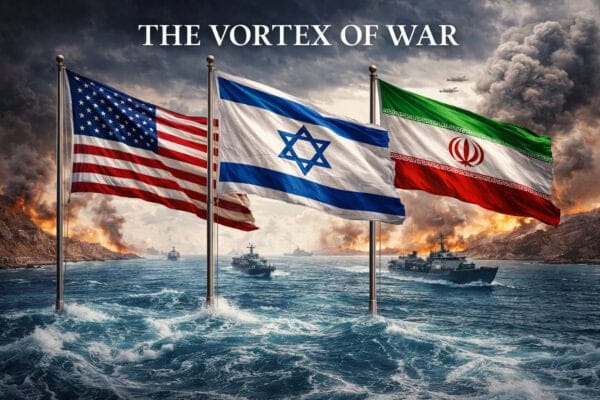
The Vortex of War: between the Iranian threat, energy chaos, and political incoherence, markets are starting to fear a war with no clear exit
Markets are no longer pricing a short, clean strike cycle. They are pricing managed fragility: structurally higher energy risk, a more cautious Federal Reserve, narrower equity leadership, and a growing question over how long the United States can remain trapped in a conflict without a real exit strategy.
Executive summary
This piece starts from a position that is harder and more honest than the usual binary framing. Iran’s nuclear ambitions are not imaginary, and a regime that has openly threatened another state cannot be treated as just another difficult regional actor. There is a serious strategic argument that Tehran had to be stopped before it moved closer to a threshold where its rhetoric, ideology, and leverage would become even more dangerous.
But that does not mean the current handling of the war deserves trust by default. A threat can be real while the response remains politically erratic, strategically underprepared, and economically reckless. That is increasingly the issue now. Trump may be right that Iran could not simply be ignored forever. Yet he also looks like a leader who entered escalation without a stable coalition, without disciplined diplomatic architecture, and without a clearly explained answer to the most serious question any war raises: how does this end?
And there is a further complication that matters politically and strategically: the timing and urgency of escalation do not look fully American in design. They also look shaped by Israeli pressure to move faster and hit harder. That does not erase the Iranian threat. It does, however, sharpen the criticism of Trump, because it suggests Washington may have accepted a timetable and level of escalation more aligned with Israeli urgency than with a fully worked-out American plan for duration, cost, alliance management, and exit.
Core fear
The real fear is not just another oil spike. It is a long conflict turning into a new macro regime: higher energy risk, more cautious central banks, weaker confidence, and structurally narrower market leadership.
Core strength
Selective leadership still exists. Energy, defense, sovereign space, and a narrow slice of high-quality execution stories can still work even if broad beta remains fragile.
The market is calmer than panic, but still far from normal
MacroThe market’s current posture should not be mistaken for genuine normalization. Investors have moved away from pure shock and into what can best be described as managed fragility. The system is functioning, but under visible strain. Oil is no longer exploding every hour in a straight line, but it remains high enough and politically exposed enough to keep inflation fears alive, bond markets nervous, and the Federal Reserve under pressure to stay cautious.
The macro chain remains intact. If the energy shock stays embedded, inflation stays less cooperative. If inflation stays less cooperative, the Fed remains less flexible. If the Fed remains less flexible, the burden of proof rises again for long-duration assets, weak balance sheets, speculative small caps, and the broad parts of the market that need generous multiples to work. The tape does not need total collapse to become difficult. It only needs persistent stress with no clean resolution.
That is why the market is not pricing “problem solved.” It is pricing a world in which damage has been partially buffered, not removed. Emergency releases, tactical reroutes, political statements, and selective rebounds can buy time. They cannot, on their own, restore durable confidence if the war still looks open-ended and structurally inflationary.
Key market read: this is not a clean rebound regime. It is a constrained regime in which the system still functions, but under permanent geopolitical and energy pressure.
Stopping Iran may be strategically necessary — but that does not excuse strategic incompetence
StrategyOne can absolutely believe that Iran’s nuclear ambitions and openly hostile posture toward Israel could not be tolerated forever. That is not a marginal or ideological point. It is a serious strategic concern. A regime that explicitly threatens another state while pursuing more dangerous capabilities cannot be waved away as if time automatically solves the problem.
But necessity is not the same thing as discipline. The fact that the threat is real does not mean every response deserves confidence. It does not mean every escalation was well designed. It does not mean the leadership handling the war has demonstrated the competence required for such a decision. This is where criticism of Trump becomes central rather than decorative.
The strongest version of the current pro-war case says the West had to prevent Iran from moving toward a more dangerous strategic threshold. Fine. Even if that is granted, a harder question remains: was the response built on a realistic understanding of escalation, alliance management, economic spillovers, and the cost of a conflict without an obvious finish line? Right now, that answer does not look reassuring.
Important distinction: saying Iran had to be stopped is not the same thing as saying Trump has managed this war well.
Trump, Israel, and the pressure to act fast
PoliticsOne political point matters more than it may seem at first glance: Trump does not look like a leader who entered this war from a position of full strategic coherence and autonomous control. He looks, at least in part, like a president pulled forward by Israel’s urgency to act faster and harder against Iran. That distinction matters because it suggests the timing and intensity of escalation may have reflected Israeli pressure and Israeli threat perception more than a fully worked-out American doctrine for how this conflict should be fought and how it should end.
The public record supports that reading. Israel struck South Pars, Iran’s main gas field, in a move with obvious energy and macro implications. Trump later said the strike had taken place without direct U.S. or Qatari involvement, and Reuters reported that he pressed Israel not to repeat attacks on Iranian energy infrastructure because of the wider fallout. That does not make Washington irrelevant. It does make Washington look less like the sole architect of escalation and more like the larger power accepting a faster and riskier timetable shaped in important part by Israeli urgency.
This does not weaken the argument that Iran posed a serious threat. It strengthens the criticism of Trump. A U.S. president who is pushed to move quickly by an ally, while simultaneously alienating other allies and failing to define a credible political finish line, is not managing escalation from a position of strength. He is entering one of the most dangerous kinds of war: a war that may be strategically understandable at the start, but strategically underprepared in execution.
The issue here is not whether Israel felt urgency. The issue is whether Trump allowed urgency to outrun strategy.
Iran may have been underestimated — not as a conventional equal, but as a strategic absorber of pain
RiskIran does not need to “win” a conventional war to complicate the entire global macro system. It only needs to keep oil routes uncertain, maritime insurance expensive, LNG disrupted, regional allies nervous, and inflation alive long enough for the economic effects to start fracturing the political patience of the coalition confronting it. In that sense, resilience is not battlefield parity. It is cost-imposition endurance.
The current evidence points strongly in that direction. Hormuz remains heavily impaired. Iran is signaling selective passage rather than full reopening. Damage to Gulf energy infrastructure remains serious. South Pars and other energy assets have already shown how quickly the conflict can spread from missiles and rhetoric to global macro consequences. That suggests the war’s economic aftershocks are not merely temporary market noise. They are part of Iran’s ability to survive by making the conflict more expensive for everybody else.
What may have been underestimated: not Iran’s ability to dominate militarily, but its ability to turn disruption itself into a weapon.
The long-war question is no longer theoretical
EscalationNo one can honestly say with certainty today that the United States is already trapped in a long war. But it is equally dishonest to pretend the risk is remote. The core reason is simple: the war still does not have an obviously credible exit narrative. Wars that begin without a believable theory of ending often turn into environments rather than operations.
The danger here is not necessarily a classic occupation scenario. It may be something more diffuse and more politically corrosive: a prolonged commitment to deterrence, protection of maritime routes, energy stabilization, allied reassurance, and crisis management without ever reaching a clean strategic settlement. That kind of war can last a long time precisely because it avoids a single obvious breaking point while still consuming money, attention, legitimacy, and lives.
Once that happens, the costs compound in multiple directions. Energy systems remain vulnerable. Insurance, shipping, food inputs, and industrial costs remain distorted. Allies grow less enthusiastic. Domestic support begins to fray. And the original strategic rationale starts being judged not only by whether it was valid, but by whether the people who launched the war had any serious understanding of what prolonged execution would demand.
Long-war risk: the deepest danger may not be one dramatic new escalation, but a slow slide into a grinding conflict with no clear finish line and steadily growing cost.
Who wins and who loses in the market if this regime continues
EquitiesThe winners in this market are not broad bull-market winners. They are regime winners. Energy producers benefit first if crude stays structurally elevated. Defense names benefit next as replenishment, deterrence, surveillance, and regional hardening all remain live priorities. Sovereign space and geospatial intelligence players retain relevance because governments do not stop valuing information and monitoring in the middle of an active regional conflict.
A narrow group of high-quality AI and industrial names can still perform if they have visible demand, strong balance sheets, and enough operating proof to survive a harder discount-rate environment. But the broader market faces a much less forgiving filter. Airlines, fuel-sensitive transport, weak-balance-sheet small caps, long-duration growth, discretionary pockets exposed to energy costs, and speculative stories that relied on easier macro conditions all sit on shakier ground.
This is why the tape has felt so selective. Capital is not rewarding stories that merely sound exciting. It is rewarding businesses that can withstand a world of higher oil, more cautious policy, and more persistent uncertainty. In that sense, war does not just move sectors. It changes the standard by which resilience is judged.
Market hierarchy: energy, defense, strategic infrastructure, and selective quality can keep leadership; fragile beta and macro-dependent optimism remain the weaker side of the field.
The real thesis: necessary containment does not justify confused leadership
ThesisThe most honest position may also be the hardest one to defend in a polarized debate. Iran’s ambitions, rhetoric, and regional behavior make the case for complacency weak. But it is equally true that this does not entitle Trump to a blank strategic check. A real threat does not automatically turn volatile leadership into competent leadership.
This is the distinction the market is beginning to make. It is not denying that Iran posed a serious danger. It is beginning to doubt whether the current U.S. leadership entered this war with enough seriousness about alliance management, energy consequences, duration, sacrifice, and exit strategy. That doubt is politically loaded, but analytically unavoidable.
If Washington had entered the conflict with a disciplined coalition, a coherent diplomatic line, and a convincing explanation of how pressure would translate into a finite outcome, the market would likely price this episode differently. Instead, it is pricing something messier: a threat that may have been real, met by a response that still looks dangerously underprepared.
Central thesis: the case for stopping Iran can coexist completely with a harsh judgment on the way Trump has framed, escalated, and politically managed this war.
Bottom line
The hardest position to hold is often the most serious one. Iran’s nuclear ambitions and openly hostile posture toward Israel are not something the West could safely ignore forever. On that point, the strategic concern is real. But that does not mean the current U.S. leadership deserves trust by default, and it certainly does not mean this war has been handled with the discipline such a decision requires.
The problem now is bigger than oil, though oil remains the main transmission channel. The market is starting to suspect America may have entered a conflict whose ending was never studied with enough seriousness. If that is true, then the real danger is not only military escalation. It is drift: rising casualties, rising costs, weakening allied trust, persistent inflation stress, and a steadily heavier geopolitical bill.
That is why this moment matters. The question is no longer simply whether Iran had to be stopped. The question is whether Trump is the kind of leader who can stop a threat without letting urgency outrun strategy and without dragging the United States and its allies into a longer, more expensive, and less controllable war. Right now, markets increasingly look unconvinced.
Informational and educational content only. This article reflects analysis and opinion based on public reporting and official releases available at the time of writing. It is not investment advice, legal advice, military advice, or a recommendation to buy or sell any security. Geopolitical situations evolve quickly; readers should verify material developments with official statements, official government releases, and high-quality primary reporting before relying on any specific claim or scenario.
Sintesi esecutiva
Questo pezzo parte da una posizione più dura e più onesta della solita lettura binaria. Le ambizioni atomiche dell’Iran non sono immaginarie, e un regime che ha apertamente minacciato un altro Stato non può essere trattato come il solito attore regionale difficile. Esiste un argomento strategico serio secondo cui Teheran andava fermata prima di avvicinarsi a una soglia in cui la sua retorica, la sua ideologia e la sua leva geopolitica sarebbero diventate ancora più pericolose.
Ma questo non significa che la gestione attuale della guerra meriti fiducia automatica. Una minaccia può essere reale mentre la risposta resta politicamente erratica, strategicamente poco preparata ed economicamente avventata. È qui il punto. Trump può anche avere ragione nel sostenere che l’Iran non potesse essere ignorato all’infinito. Ma appare anche come un leader entrato nell’escalation senza una coalizione stabile, senza un’architettura diplomatica disciplinata e senza una risposta chiara alla domanda più seria che ogni guerra pone: come finisce?
E c’è un’ulteriore complicazione che conta sia politicamente sia strategicamente: tempi e urgenza dell’escalation non sembrano pienamente americani nel disegno. Sembrano anche plasmati dalla pressione israeliana a muoversi più in fretta e più duramente. Questo non cancella la minaccia iraniana. Ma rende più dura la critica a Trump, perché suggerisce che Washington possa avere accettato una tabella di marcia e un livello di escalation più vicini all’urgenza israeliana che a un piano americano davvero completo su durata, costi, gestione degli alleati ed exit strategy.
Paura principale
La vera paura non è solo un altro spike del petrolio. È un conflitto lungo che si trasforma in un nuovo regime macro: rischio energetico più alto, banche centrali più prudenti, fiducia più debole e leadership di mercato strutturalmente più stretta.
Fortezza principale
Una leadership selettiva esiste ancora. Energia, difesa, spazio sovrano e una fascia stretta di storie con vera esecuzione possono ancora funzionare anche se il beta largo resta fragile.
Il mercato è meno nel panico, ma ancora molto lontano dalla normalità
MacroLa postura attuale del mercato non va scambiata per una vera normalizzazione. Gli investitori si sono spostati dallo shock puro verso ciò che si può definire fragilità gestita. Il sistema continua a funzionare, ma sotto una pressione visibile. Il petrolio non esplode più ogni ora in linea retta, ma resta abbastanza alto e abbastanza esposto politicamente da mantenere vive le paure sull’inflazione, rendere nervosi i bond e costringere la Federal Reserve a restare prudente.
La catena macro è ancora tutta lì. Se lo shock energetico resta incorporato, l’inflazione resta meno collaborativa. Se l’inflazione resta meno collaborativa, la Fed resta meno flessibile. Se la Fed resta meno flessibile, il livello di prova richiesto torna a salire per gli asset di lunga durata, per i bilanci deboli, per le small cap speculative e per tutte le aree del mercato che hanno bisogno di multipli generosi per stare in piedi. Il tape non ha bisogno di un crollo totale per diventare difficile. Gli basta una pressione persistente senza una vera soluzione.
Per questo il mercato non sta prezzando “problema risolto”. Sta prezzando un mondo in cui il danno è stato parzialmente tamponato, non eliminato. Rilasci di riserve, rerouting tattici, dichiarazioni politiche e rimbalzi selettivi possono comprare tempo. Non possono da soli ristabilire fiducia duratura se la guerra continua a sembrare aperta e strutturalmente inflazionistica.
Lettura chiave: questo non è un regime da rebound pulito. È un regime vincolato, in cui il sistema continua a funzionare ma sotto pressione geopolitica ed energetica permanente.
Fermare l’Iran può essere strategicamente necessario — ma questo non assolve l’incompetenza strategica
StrategiaSi può assolutamente ritenere che le ambizioni nucleari dell’Iran e la sua postura apertamente ostile verso Israele non potessero essere tollerate per sempre. Questo non è un punto marginale o ideologico. È una preoccupazione strategica seria. Un regime che minaccia esplicitamente un altro Stato mentre cerca capacità più pericolose non può essere liquidato come se il tempo risolvesse il problema da solo.
Ma necessità non significa disciplina. Il fatto che la minaccia sia reale non implica che ogni risposta meriti fiducia. Non implica che ogni escalation sia stata progettata bene. Non implica che la leadership che gestisce la guerra abbia dimostrato la competenza richiesta per una scelta simile. È qui che la critica a Trump diventa centrale e non decorativa.
La versione più forte dell’argomento pro-guerra dice che l’Occidente dovesse impedire all’Iran di avvicinarsi a una soglia strategica ancora più pericolosa. Bene. Anche concedendo questo, resta una domanda più dura: la risposta è stata costruita su una comprensione realistica dell’escalation, della gestione degli alleati, degli spillover economici e del costo di un conflitto senza una linea di uscita evidente? In questo momento, la risposta non appare rassicurante.
Distinzione importante: dire che l’Iran andava fermato non equivale a dire che Trump stia gestendo bene questa guerra.
Trump, Israele e la pressione a muoversi in fretta
PoliticsC’è un punto politico che conta più di quanto sembri: Trump non appare come un leader entrato in questa guerra da una posizione di piena coerenza strategica e controllo autonomo. Appare, almeno in parte, come un presidente spinto in avanti dall’urgenza israeliana di agire più in fretta e più duramente contro l’Iran. Questa distinzione conta perché suggerisce che tempi e intensità dell’escalation possano aver riflesso la pressione israeliana e la percezione israeliana della minaccia più di una dottrina americana davvero completa su come combattere questo conflitto e su come finirlo.
Il quadro pubblico sostiene questa lettura. Israele ha colpito South Pars, il principale giacimento di gas iraniano, in una mossa con implicazioni energetiche e macro evidenti. Trump ha poi detto che quel colpo era avvenuto senza coinvolgimento diretto di Stati Uniti o Qatar, e Reuters ha riportato che successivamente ha fatto pressione su Israele perché non ripetesse attacchi contro infrastrutture energetiche iraniane proprio per il rischio di ricadute più ampie. Questo non rende Washington irrilevante. Rende però Washington meno simile all’unico architetto dell’escalation e più simile alla potenza più grande che accetta una tabella di marcia più rapida e più rischiosa modellata in parte dall’urgenza israeliana.
Questo non indebolisce l’argomento secondo cui l’Iran fosse una minaccia seria. Rafforza la critica a Trump. Un presidente americano che si lascia spingere a muoversi rapidamente da un alleato, mentre nel frattempo aliena altri alleati e non definisce una linea politica credibile di uscita, non sta gestendo l’escalation da una posizione di forza. Sta entrando in uno dei tipi di guerra più pericolosi: una guerra che può essere strategicamente comprensibile all’inizio, ma strategicamente poco preparata nella sua esecuzione.
Il punto qui non è negare l’urgenza israeliana. Il punto è chiedersi se Trump abbia lasciato che l’urgenza superasse la strategia.
L’Iran può essere stato sottovalutato — non come pari convenzionale, ma come assorbitore strategico del dolore
RiskL’Iran non ha bisogno di “vincere” una guerra convenzionale per complicare l’intero sistema macro globale. Gli basta mantenere incerte le rotte del petrolio, rendere più costose le assicurazioni marittime, disturbare l’LNG, tenere nervosi gli alleati regionali e alimentare l’inflazione abbastanza a lungo da far sì che gli effetti economici inizino a logorare la pazienza politica della coalizione che lo combatte. In questo senso, resilienza non significa parità sul campo di battaglia. Significa resistenza nell’imporre costi.
I fatti attuali vanno in quella direzione. Hormuz resta fortemente compromesso. L’Iran segnala passaggio selettivo e non riapertura piena. I danni alle infrastrutture energetiche del Golfo restano seri. South Pars e altri asset energetici hanno già mostrato quanto velocemente il conflitto possa passare da missili e retorica a conseguenze macro globali. Questo suggerisce che gli shock economici della guerra non siano semplice rumore di mercato. Sono parte della capacità dell’Iran di sopravvivere rendendo il conflitto più costoso per tutti gli altri.
Cosa può essere stato sottovalutato: non la capacità dell’Iran di dominare militarmente, ma la sua capacità di trasformare la disruption in un’arma.
La domanda sulla guerra lunga non è più teorica
EscalationNessuno può dire onestamente oggi con certezza che gli Stati Uniti siano già intrappolati in una guerra lunga. Ma è altrettanto poco onesto fingere che il rischio sia remoto. La ragione è semplice: questa guerra continua a non avere una narrativa di uscita chiaramente credibile. Le guerre che iniziano senza una teoria plausibile della fine hanno la tendenza a trasformarsi in ambienti permanenti più che in operazioni finite.
Il pericolo qui non è necessariamente uno scenario classico da occupazione. Potrebbe essere qualcosa di più diffuso e politicamente corrosivo: un impegno prolungato su deterrenza, protezione delle rotte marittime, stabilizzazione energetica, rassicurazione degli alleati e gestione della crisi senza mai arrivare a un vero accordo strategico pulito. Questo tipo di guerra può durare a lungo proprio perché evita un singolo punto di rottura evidente continuando però a consumare soldi, attenzione, legittimità e vite.
Quando questo accade, i costi si moltiplicano in più direzioni. I sistemi energetici restano vulnerabili. Assicurazioni, shipping, input alimentari e costi industriali restano distorti. Gli alleati diventano meno entusiasti. Il supporto domestico inizia a logorarsi. E la razionalità strategica iniziale viene giudicata non solo per la sua validità teorica, ma per il fatto che chi ha lanciato la guerra avesse o meno una seria comprensione di cosa una esecuzione prolungata avrebbe richiesto.
Rischio guerra lunga: il pericolo più profondo potrebbe non essere una singola escalation spettacolare, ma uno scivolamento lento in un conflitto logorante senza vera linea di arrivo e con costi crescenti.
Chi vince e chi perde in borsa se questo regime continua
EquitiesI vincitori in questo mercato non sono i classici vincitori da bull market. Sono i vincitori di regime. I produttori di energia beneficiano per primi se il greggio resta strutturalmente elevato. I titoli difesa beneficiano poi grazie a replenishment, deterrenza, sorveglianza e hardening regionale che restano priorità vive. I nomi legati a spazio sovrano e geospatial intelligence mantengono rilevanza perché i governi non smettono di valorizzare informazione e monitoraggio nel mezzo di un conflitto regionale attivo.
Una fascia ristretta di AI di qualità e di industriali forti può ancora performare se ha domanda visibile, bilanci solidi e abbastanza prova operativa da sopravvivere a un regime di tassi più duro. Ma il mercato largo affronta un filtro molto meno indulgente. Airlines, trasporto sensibile al carburante, small cap con bilanci fragili, growth di lunga durata, consumi discrezionali esposti ai costi energetici e storie speculative che vivevano di un macro più facile restano su terreno più instabile.
È questo il motivo per cui il tape appare così selettivo. Il capitale non sta premiando le storie che suonano semplicemente eccitanti. Sta premiando le aziende che possono reggere in un mondo di petrolio più alto, policy più cauta e incertezza più persistente. In questo senso, la guerra non sposta solo i settori. Cambia il metro con cui si giudica la resilienza.
Gerarchia di mercato: energia, difesa, infrastruttura strategica e qualità selettiva possono mantenere leadership; beta fragile e ottimismo dipendente dal macro restano il lato più debole del campo.
La tesi vera: containment necessario non giustifica una leadership confusa
ThesisLa posizione più onesta è forse anche la più difficile da difendere in un dibattito polarizzato. Le ambizioni, la retorica e il comportamento regionale dell’Iran rendono debole il caso della passività. Ma è altrettanto vero che ciò non dà a Trump un assegno strategico in bianco. Una minaccia reale non trasforma automaticamente una leadership volatile in una leadership competente.
È questa la distinzione che il mercato sta iniziando a fare. Non sta negando che l’Iran ponesse un pericolo serio. Sta iniziando a dubitare che l’attuale leadership americana sia entrata in guerra con sufficiente serietà riguardo a gestione degli alleati, conseguenze energetiche, durata, sacrifici ed exit strategy. Questo dubbio è politicamente carico, ma analiticamente inevitabile.
Se Washington fosse entrata nel conflitto con una coalizione disciplinata, una linea diplomatica coerente e una spiegazione convincente di come la pressione si sarebbe trasformata in un esito finito, il mercato probabilmente prezzerebbe questo episodio in modo diverso. Invece sta prezzando qualcosa di più sporco: una minaccia che poteva essere reale affrontata però da una risposta che continua ad apparire pericolosamente poco preparata.
Tesi centrale: il caso per fermare l’Iran può convivere perfettamente con un giudizio duro sul modo in cui Trump ha incorniciato, escalato e gestito politicamente questa guerra.
Conclusione
La posizione più seria è spesso anche la più scomoda. Le ambizioni atomiche dell’Iran e la sua postura apertamente ostile verso Israele non erano qualcosa che l’Occidente potesse ignorare per sempre. Su questo punto, la preoccupazione strategica è reale. Ma questo non significa che l’attuale leadership americana meriti fiducia automatica, e certamente non significa che questa guerra sia stata gestita con la disciplina richiesta da una decisione del genere.
Il problema ormai è più grande del petrolio, anche se il petrolio resta il principale canale di trasmissione. Il mercato comincia a sospettare che l’America possa essere entrata in un conflitto la cui fine non è stata studiata con sufficiente serietà. Se è così, allora il rischio vero non è solo l’escalation militare. È la deriva: più vittime, più costi, fiducia degli alleati in indebolimento, stress inflattivo persistente e un conto geopolitico via via più pesante.
Per questo questo momento conta. La domanda non è più soltanto se l’Iran andasse fermato. La domanda è se Trump sia il tipo di leader capace di fermare una minaccia senza lasciare che l’urgenza superi la strategia e senza trascinare Stati Uniti e alleati in una guerra più lunga, più costosa e meno controllabile. In questo momento, i mercati sembrano sempre meno convinti.
Contenuto esclusivamente informativo ed educativo. Questo articolo riflette analisi e opinioni basate su reporting pubblico e fonti ufficiali disponibili al momento della pubblicazione. Non è consulenza finanziaria, legale, militare né una raccomandazione di acquisto o vendita di titoli. Le situazioni geopolitiche evolvono rapidamente; è quindi opportuno verificare gli sviluppi materiali tramite dichiarazioni ufficiali, comunicati governativi e reporting primario di alta qualità prima di fare affidamento su qualunque scenario specifico.
Scanner for active traders

Try ChartsWatcher free, then unlock 10% OFF with SAVE10
ChartsWatcher is a real-time scanner for momentum traders: fast movers, unusual volume and rotations — so you can focus on the few tickers that matter right now, instead of watching hundreds of charts.
Start with the free version. When you upgrade, use SAVE10 for 10% OFF your first paid period.
Start free – then use SAVE10
No credit card required to start. Apply SAVE10 when upgrading.
Recommended platform

One platform. All your brokers.
Medved Trader connects multiple brokers in one workspace, with pro charts, hotkeys and fast execution — without changing your broker accounts.
A single cockpit for positions, Level II and multi-broker order routing, built for active day & swing traders.
Get 1 Month Free ➔
Multi-broker workflow + customizable layouts in one platform.
 Monica.im – the AI assistant I use every day
If you find value in the work I publish on Merlintrader and want a practical AI assistant for research and writing, you can sign up using this referral link. Click here to try Monica.im and support the site
Find out how I use AI on Merlintrader: AI, retail and Merlintrader
Disclosure: some of the links in the promotional blocks above are affiliate or referral links. If you choose to subscribe or sign up through them, Merlintrader may receive a small commission or benefit at no extra cost to you.