DISCLAIMER — Not financial advice. Educational content only, not an offer or solicitation to buy or sell any security. Biotech and small/mid-cap stocks are highly speculative and volatile and can result in a partial or total loss of capital. Do your own research and consult a licensed advisor where appropriate. / Contenuti a solo scopo informativo e didattico, non costituiscono consulenza finanziaria né offerta o sollecitazione al pubblico risparmio ai sensi delle normative CONSOB e SEC. Le azioni biotech e le small/mid cap sono strumenti altamente speculativi e volatili e possono comportare la perdita parziale o totale del capitale investito. Si raccomanda di effettuare sempre le proprie ricerche e, se necessario, di rivolgersi a un consulente abilitato.
Merlintrader Trading Pub
Biotech catalyst news and analysis. FDA PDUFA tracker
SNDL
Cannabis & Liquor Retail – Canada
~0.4B USD market cap (early March 2026, approx.)
SNDL Inc. (SNDL) — from meme cannabis trade to cash-rich retail platform: is this finally a real business story?
SNDL today is a hybrid animal: one of Canada’s largest private liquor and cannabis retailers, a vertically integrated cannabis operator and an investment platform deploying capital into the North American industry. The numbers are getting cleaner, the balance sheet is strong, but the equity story is still controversial.
Snapshot 2024–Q3 2025
Scale & trend
~C$920M net revenue FY 2024, net loss ~C$96M; Q3 2025 net revenue C$244.2M, net loss C$13.3M
Revenue roughly flat-to-modestly growing, losses shrinking versus 2023; adjusted EBITDA positive in 2024 and Q3 2025
according to the company’s financial statements and press releases.
Scale now matches a mid-size retailer
Cannabis + liquor + investments
Market & balance sheet
Valuation & liquidity
~US$1.5–1.6 share price; ~US$0.4B market cap; net cash C$650M+; no debt (Q3 2025)
Management highlights C$651.5M of unrestricted cash, marketable securities and investments and no outstanding debt as of Sept 30, 2025,
with shareholders’ equity around C$1.1B. Short interest is low (well below typical “meme squeeze” names).
Net cash, no financial debt
Capital allocation is the key debate
Risk profile
Key risks (12–24 months)
High share volatility, regulatory overhang, execution on multi-segment strategy
The company faces margin pressure in both liquor and cannabis retail, ongoing regulatory uncertainty, and the challenge of
turning a diversified platform into durable free cash flow without repeating the dilution-heavy past.
History of heavy dilution
Execution & integration risk
Retail & cannabis cyclicality
1. What SNDL is in 2026: from grower to diversified retail & investment platform
Business overview
SNDL started life as a pure-play Canadian licensed cannabis producer and briefly became a meme-stock poster child in the 2020–2021 retail mania. Today, the company describes itself as one of the largest vertically integrated cannabis companies and the largest private-sector liquor and cannabis retailer in Canada, operating banners such as Ace Liquor, Wine and Beyond, Liquor Depot, Value Buds and Spiritleaf. Its consumer cannabis brands span several segments, from value to premium offerings, and the company also manages an investment portfolio with exposure to the broader North American cannabis ecosystem.
The evolution from “grower chasing scale” to “retail & platform” came through a series of acquisitions and investments in Canadian liquor chains, cannabis retail networks and financial partnerships. Revenue now comes from four main segments: Liquor retail (classic beverage alcohol stores), Cannabis retail (Value Buds, Spiritleaf and others), Cannabis operations (cultivation, manufacturing and distribution) and Investments (income and fair value changes from SunStream and other positions).
In the second quarter of 2024, for example, management highlighted net revenue of approximately C$207.5M with liquor retail contributing the majority, cannabis retail growing strongly and cannabis operations still working through pricing and margin pressure. By Q3 2025, consolidated net revenue had reached C$244.2M, up a few percent year-over-year, with gross profit over C$64M and positive adjusted EBITDA. The business, in other words, now looks more like a diversified retail platform with a cannabis growth option attached, rather than a single-line cultivation story.
This repositioning matters because the investment case around SNDL is no longer “pure cannabis upside”; it’s about whether management can leverage scale in liquor and cannabis retail to produce steady cash flows, while using the balance sheet intelligently in a still-fragmented industry.
Sources (business overview):
consolidated financial statements for the year ended Dec. 31, 2024 (SEDAR+/EDGAR);
Q2 2024 and Q3 2025 earnings press releases and business descriptions; official company materials describing retail banners
and cannabis brands.
Key links: SNDL corporate site; Investor relations; Quarterly results page.
Key links: SNDL corporate site; Investor relations; Quarterly results page.
2. Revenue, losses and the slow path towards profitability
Financial trajectory
On the top line, SNDL has reached a level of scale where it can be compared to mid-size specialty retailers rather than micro-cap cannabis experiments. For FY 2024, net revenue was reported at approximately C$920M, up modestly versus 2023. The company still posted a sizeable net loss of about C$96M, but that was a marked improvement versus the roughly C$177M loss recorded the year before, driven by higher gross profits, operating cost control and fewer non-recurring charges.
Looking at the more recent Q3 2025 numbers, net revenue came in at C$244.2M versus C$236.9M in the prior-year quarter, while gross profit improved to around C$64M. Management reported adjusted EBITDA of C$20.3M, up from C$18.3M in Q3 2024, confirming a trend of stabilising operations despite a competitive landscape. At the bottom line, the company still lost about C$13.3M in the quarter, but the direction of travel over 2023–2025 is one of shrinking losses coupled with positive adjusted EBITDA.
The key question for investors ahead of the March 12, 2026 Q4 2025 release is whether this pattern can translate into sustainable free cash flow. In 2025, the company reported positive cash flow from operations over the first nine months, helped by working capital management and a mature retail footprint. Capex and investments remained meaningful, as SNDL continued to deploy capital into stores, brands and its investment portfolio.
The risk here is classic: a company with a strong balance sheet and improving P&L might be tempted to chase further acquisitions and deals instead of allowing operating leverage and buybacks to do the work. How disciplined SNDL chooses to be in 2026–2027 will be central to the equity story.
Sources (financials):
audited financial statements for FY 2023 and FY 2024 (net revenue and net loss figures);
Q3 2025 earnings press release and interim financial statements (net revenue C$244.2M, gross profit C$64.2M,
adjusted EBITDA C$20.3M, net loss C$13.3M; cash flow data).
Key links: FY 2024 earnings release (PDF); FY 2024 financial statements (PDF); Q3 2025 results press release; Quarterly results page.
Key links: FY 2024 earnings release (PDF); FY 2024 financial statements (PDF); Q3 2025 results press release; Quarterly results page.
3. Balance sheet, share count and what management is doing with the cash
Capital structure
The strongest part of the SNDL story heading into 2026 is the balance sheet. As of Sept. 30, 2025, the company reported approximately C$432M of current assets, including over C$240M in cash and cash equivalents and additional restricted cash, inventories and receivables. Including marketable securities, investments and equity-accounted investees, management highlighted around C$651.5M in unrestricted cash, marketable securities and investments, with total shareholders’ equity just over C$1.09B and no financial debt.
This net cash position is not theoretical: since late 2024, SNDL has been buying back its own shares under a normal course issuer bid. By Q3 2025 the company had repurchased more than 10.7M common shares for cancellation since the fourth quarter of 2024, with additional purchases in the quarter at an average price around US$1.21. This is a clear signal that management sees the stock as undervalued relative to the balance sheet and cash-flow potential.
At the same time, the company continues to allocate capital to its investment portfolio (including equity-accounted investees) and to tuck-in acquisitions or asset deals. Historically, SNDL has a track record of significant dilution through equity issuance during the 2020–2021 cannabis bubble. While that phase is behind it, investors should not forget that the current net-cash position exists because previous shareholders absorbed that dilution.
Today’s debate is therefore not about survival but about return on capital. A cash-rich, debt-free retailer with a still-volatile equity price can create meaningful long-term value through disciplined buybacks and a focus on high-ROIC projects—or it can continue to chase scale in low-margin segments and incremental deals that never really drop to the bottom line.
Sources (balance sheet & structure):
Q3 2025 interim financial statements (cash, investments, equity and liabilities);
Q3 2025 earnings press release (C$651.5M unrestricted cash, marketable securities and investments; no debt;
share repurchase data); earlier disclosures on normal course issuer bid.
Key links: Q3 2025 results press release; FY 2024 financial statements (PDF); Quarterly results page.
Key links: Q3 2025 results press release; FY 2024 financial statements (PDF); Quarterly results page.
4. Segment economics: liquor retail, cannabis retail, cannabis operations, investments
Where the money is made (and where it isn’t yet)
In SNDL’s current configuration, liquor retail is the anchor. This segment provides relatively stable volumes and cash flows, but operates with tight margins and exposure to regional competition and cost inflation. The company’s banners span value-oriented stores and more premium “destination” concepts, and the strategy has focused on scale, private-label development and operating discipline.
Cannabis retail is where SNDL wants to leverage its footprint and purchasing power in a still-fragmented Canadian market. Value Buds and Spiritleaf have become recognisable banners, but the segment remains exposed to price compression, local over-store conditions and changing provincial rules. Through 2024 and 2025, SNDL worked to rationalise the store base, exit underperforming locations and push mix towards higher-margin formats.
Cannabis operations (cultivation, processing, branded products) is a more cyclical and volatile segment. Here, profitability depends heavily on cost per gram, product mix and the company’s ability to command premium pricing in a market still suffering from oversupply and intense discounting. Gross margins in this segment have improved from the worst of the price-war period, but investors should continue to treat this as a riskier pillar of the story.
Finally, the investments segment and equity-accounted investees (including SunStream) add financial returns and optionality, but also complexity. Changes in fair value, income distributions and impairments can make quarterly results noisy. In Q3 2025, for example, the company reported investment income and share of earnings/losses from equity-accounted investees that contributed to overall comprehensive income, even as the core business still produced a net loss.
For long-term holders, the core question is whether SNDL can eventually deliver a liquor-and-cannabis retail base that covers corporate overhead and capex, with cannabis operations and investments as incremental upside rather than the only drivers of the thesis.
Sources (segments):
Q2 2024 and Q3 2025 segment disclosures and management commentary on liquor retail, cannabis retail, cannabis operations and investments;
FY 2024 MD&A for segment margin discussion and outlook.
Key links: Quarterly results page; FY 2024 earnings release (PDF).
Key links: Quarterly results page; FY 2024 earnings release (PDF).
5. Sentiment: from meme survivors to value hunters and deep skeptics
Retail mood
SNDL still carries the scars of its meme-era history. On social platforms dedicated to trading and investing, discussions around the name tend to polarise into three camps. There are long-time holders who averaged up during the 2020–2021 spikes and still anchor their expectations to multi-bagger scenarios; there are value-oriented traders who focus on the net cash position, buybacks and the discount versus equity and asset values; and there are deep skeptics who see every positive press release as a prelude to more share issuance or low-ROIC deals.
Over the last months, social chatter has shifted slightly from pure price targets to more fundamental questions: “Will management let the balance sheet work for shareholders?”; “Can SNDL become a stable cash-flow story rather than a serial diluter?”; “Is the Canadian cannabis retail market already saturated?”. Short interest data do not indicate an extreme bear crowd, but liquidity and volatility remain high enough to attract momentum players whenever news hits.
Sentiment (Reddit, Stocktwits, X)
Comments and sentiment on these platforms come from non-professional traders and should be interpreted with extreme caution. They can be useful to gauge positioning and narrative, but they are not research and often contain factual errors, selective data and emotionally driven views. Any investment decision should be based on independent analysis and primary sources, not on social media enthusiasm or pessimism.
Sources (sentiment):
qualitative review of recent public conversations on Reddit, Stocktwits and X about SNDL (themes: meme legacy, net cash focus,
skepticism on capital allocation), combined with exchange-reported short interest data.
6. Key questions into 2026–2027 and working scenarios
What matters now
For a long-term investor looking at SNDL today, the share price history is almost irrelevant; what matters are the next 12–24 months of decisions and execution. The big questions going into the March 12, 2026 update are:
1 – Can liquor & cannabis retail fund the story? Does SNDL reach the point where its retail segments consistently cover corporate costs and maintenance capex, allowing the company to be self-funded without relying on equity markets?
2 – How disciplined will capital allocation be? With C$650M+ in cash, securities and investments and no debt, management has wide latitude. The mix between strategic deals, store investments, share repurchases and potential dividends will define the equity case as much as any single quarter’s EBITDA.
3 – What if the cannabis cycle disappoints again? A renewed wave of price pressure, regulatory changes or oversupply could hit cannabis profits just as the company is trying to show a clean earnings profile. The liquor business is more predictable, but not immune to macro slowdowns.
A reasonable base case for 2026–2027 is that SNDL continues to grow revenue at low single digits, keeps adjusted EBITDA positive, gradually improves net income and uses a mix of internal investments and buybacks to compound value. The bull case adds stronger cannabis margins, successful deployment of the investment portfolio and a more favourable regulatory backdrop. The bear case sees continued noise from investments, weaker cannabis pricing and a renewed appetite for low-return acquisitions absorbing the cash buffer.
Sources (scenarios & risks):
company financial history and guidance from FY 2023–2024 and Q3 2025;
management commentary on strategy and capital allocation;
publicly available information on Canadian cannabis and liquor retail market dynamics.
Key links: Press release – March 12, 2026 results date; Quarterly results page.
Key links: Press release – March 12, 2026 results date; Quarterly results page.
SNDL
Cannabis & retail alcolici – Canada
~0,4 mld USD di market cap (inizio marzo 2026, stima)
SNDL Inc. (SNDL) — da meme stock della cannabis a piattaforma retail piena di cassa: stiamo finalmente parlando di un vero business?
Oggi SNDL è un ibrido: uno dei maggiori retailer privati di alcolici e cannabis in Canada, un operatore di cannabis verticalmente integrato e una piattaforma di investimento che deploya capitale nell’industria nordamericana. I numeri stanno migliorando, il bilancio è forte, ma la storia azionaria resta divisiva.
Snapshot 2024–Q3 2025
Scala & trend
~C$920M di ricavi netti FY 2024, perdita netta ~C$96M; ricavi netti C$244,2M nel Q3 2025, perdita netta C$13,3M
Ricavi sostanzialmente stabili o in lieve crescita, perdite in riduzione rispetto al 2023;
EBITDA rettificato positivo nel 2024 e nel Q3 2025 secondo il bilancio e i comunicati ufficiali.
Scala da retailer di medie dimensioni
Cannabis + alcolici + investimenti
Mercato & bilancio
Valutazione & liquidità
~US$1,5–1,6 per azione; ~US$0,4 mld di market cap; oltre C$650M di cassa+investimenti; zero debito (Q3 2025)
Al 30 settembre 2025 il management evidenzia circa C$651,5M di cassa non vincolata, titoli e investimenti,
senza debito finanziario e con un patrimonio netto di poco superiore a C$1,09 mld.
Lo short interest è contenuto, lontano dai livelli tipici delle “short squeeze”.
Net cash, nessun debito finanziario
Allocazione del capitale è il punto chiave
Profilo di rischio
Rischi principali (12–24 mesi)
Volatilità elevata, rischio regolatorio, execution su strategia multi-segmento
La società affronta pressioni sui margini sia nel retail alcolici sia nel retail cannabis,
in un quadro regolatorio incerto e con la sfida di trasformare una piattaforma diversificata
in flussi di cassa duraturi, dopo anni segnati da forte diluizione.
Storia di forte diluizione passata
Rischio di execution e integrazione
Ciclicità di retail e cannabis
1. Cosa è SNDL nel 2026: da grower puro a piattaforma retail & investimento
Panoramica di business
SNDL nasce come produttore canadese di cannabis con licenza e, per un breve periodo, diventa uno dei simboli della bolla “meme stock” 2020–2021. Oggi la società si definisce come uno dei maggiori operatori verticalmente integrati di cannabis e il più grande retailer privato di alcolici e cannabis in Canada, con insegne come Ace Liquor, Wine and Beyond, Liquor Depot, Value Buds e Spiritleaf. Sul fronte cannabis, gestisce un portafoglio di marchi che copre varie fasce di prezzo e tipologia di prodotto; in parallelo, mantiene un portafoglio di investimenti nell’ecosistema cannabis nordamericano.
L’evoluzione da “grower in cerca di scala” a “piattaforma retail & investimento” è avvenuta tramite una serie di acquisizioni e deal nel retail alcolici, nel retail cannabis e in partnership finanziarie. Oggi i ricavi sono suddivisi in quattro macro-segmenti: retail alcolici (negozi tradizionali di vino, birra e spirits), retail cannabis (Value Buds, Spiritleaf, ecc.), cannabis operations (coltivazione, trasformazione, distribuzione) e investments (proventi e fair value da SunStream e altri veicoli).
Nel Q2 2024, ad esempio, il management ha evidenziato ricavi netti per circa C$207,5M, con il retail alcolici come maggiore contributore, il retail cannabis in crescita e le operations cannabis ancora impegnate a gestire pressione sui prezzi e sui margini. Nel Q3 2025 i ricavi netti consolidati sono saliti a C$244,2M (+3% circa a/a), con un margine lordo di circa C$64M e un EBITDA rettificato positivo. Il profilo oggi assomiglia quindi più a quello di un retailer diversificato con un “warrant” di crescita sulla cannabis, che a quello di un puro coltivatore.
Questo cambio di pelle è cruciale per l’investitore: la tesi non è più “solo upside sulla cannabis”, ma la capacità del management di sfruttare la scala nel retail alcolici e cannabis per generare cassa stabile, usando in modo disciplinato un bilancio molto più solido di quello di gran parte dei peer.
Fonti (panoramica):
bilanci consolidati per l’esercizio chiuso al 31 dicembre 2024 (SEDAR+/EDGAR);
comunicati sugli utili Q2 2024 e Q3 2025 e descrizioni ufficiali dei brand retail e cannabis.
Link principali: Sito corporate SNDL; Sezione investor relations; Pagina risultati trimestrali.
Link principali: Sito corporate SNDL; Sezione investor relations; Pagina risultati trimestrali.
2. Ricavi, perdite e un percorso lento verso la redditività
Traiettoria finanziaria
Sul top line, SNDL ha raggiunto una dimensione che permette il confronto con retailer specializzati di media scala, più che con micro-cap speculative. Nel FY 2024 i ricavi netti si attestano intorno a C$920M, in lieve crescita rispetto al 2023. La società chiude ancora con una perdita netta importante (~C$96M), ma in miglioramento netto rispetto ai ~C$177M del 2023, grazie a margini lordi più alti, contenimento dei costi operativi e minori oneri straordinari.
Guardando al Q3 2025, i ricavi netti sono C$244,2M (C$236,9M un anno prima) con un margine lordo di circa C$64M. L’EBITDA rettificato comunicato è C$20,3M, in crescita rispetto ai C$18,3M del Q3 2024, a conferma di una progressiva stabilizzazione operativa in un mercato competitivo. A livello di bottom line, la perdita trimestrale resta nell’ordine di C$13,3M, ma la direzione dal 2023 al 2025 è di riduzione delle perdite con EBITDA rettificato positivo.
La domanda chiave in vista dei conti del 12 marzo 2026 è se questo pattern possa tradursi in free cash flow sostenibile. Nel 2025, sui primi nove mesi, la società ha generato cassa operativa positiva, anche grazie alla gestione del circolante e a un network retail ormai maturo. Al tempo stesso, capex e investimenti restano rilevanti, perché SNDL continua a destinare risorse a negozi, brand e portafoglio investimenti.
Il rischio è classico: una società con bilancio forte e P&L in miglioramento può cadere nella tentazione di inseguire ulteriori acquisizioni e deal, invece di lasciare che leva operativa e buyback facciano il lavoro. Il grado di disciplina che vedremo nel biennio 2026–2027 sarà determinante per la storia azionaria.
Fonti (numeri):
bilanci FY 2023–2024 (ricavi netti e perdite nette);
comunicato e bilancio intermedio Q3 2025 (ricavi C$244,2M, margine lordo ~C$64M,
EBITDA rettificato ~C$20,3M, perdita netta ~C$13,3M, dati di cassa flussi).
Link principali: Comunicato utili FY 2024 (PDF); Bilanci FY 2024 (PDF); Comunicato risultati Q3 2025; Pagina risultati trimestrali.
Link principali: Comunicato utili FY 2024 (PDF); Bilanci FY 2024 (PDF); Comunicato risultati Q3 2025; Pagina risultati trimestrali.
3. Bilancio, numero di azioni e uso della cassa
Struttura del capitale
Il punto oggettivamente più forte della storia SNDL oggi è il bilancio. Al 30 settembre 2025 la società riporta circa C$432M di attività correnti, inclusi oltre C$240M di cassa e disponibilità liquide, cassa vincolata, crediti, scorte e anticipi. Considerando titoli negoziabili, investimenti e partecipazioni valutate con il metodo del patrimonio netto, il management evidenzia circa C$651,5M di cassa non vincolata, titoli e investimenti, con un patrimonio netto di poco superiore a C$1,09 mld e nessun debito finanziario.
Questa posizione di net cash non è solo teorica: dal Q4 2024 SNDL ha avviato un programma di riacquisto azioni. Entro il Q3 2025 sono state riacquistate e cancellate oltre 10,7M di azioni ordinarie, con ulteriori acquisti nel trimestre a un prezzo medio di circa US$1,21. È un segnale chiaro che il management ritiene il titolo sottovalutato rispetto al valore contabile e al potenziale di cassa.
In parallelo, la società continua a destinare capitale al portafoglio di investimenti e a operazioni selettive su negozi e asset. Va ricordato però che l’attuale forza patrimoniale esiste anche perché negli anni della bolla cannabis SNDL ha emesso moltissime azioni, diluendo fortemente i vecchi azionisti. Chi entra oggi beneficia di quel capitale, ma la memoria di quella fase pesa ancora sulla fiducia del mercato.
Il tema centrale non è quindi “se SNDL sopravvive”, ma come utilizza il capitale. Un retailer con cassa netta, zero debito e forte volatilità del titolo può creare valore enorme tramite buyback disciplinati e progetti ad alto ritorno, oppure bruciarlo in acquisizioni a basso margine e deal complessi che non si trasformano in utili e dividendi.
Fonti (bilancio & capitale):
bilancio intermedio Q3 2025 (cassa, investimenti, patrimonio, passività);
comunicato Q3 2025 (C$651,5M di cassa non vincolata, titoli e investimenti; assenza di debito;
dati di buyback e prezzo medio); documentazione sul programma di riacquisto.
Link principali: Comunicato risultati Q3 2025; Bilanci FY 2024 (PDF); Pagina risultati trimestrali.
Link principali: Comunicato risultati Q3 2025; Bilanci FY 2024 (PDF); Pagina risultati trimestrali.
4. Segmenti: retail alcolici, retail cannabis, operations, investimenti
Dove si fanno (e non si fanno) i margini
Nel perimetro attuale di SNDL, il retail alcolici è l’ancora. È un business relativamente difensivo in termini di volumi, ma con margini compressi e concorrenza regionale significativa. Le insegne spaziano da punti vendita orientati al prezzo a format più premium; la strategia punta su scala, assortimento mirato e disciplina sui costi.
Il retail cannabis è invece il tassello con maggiore “optionality”: Value Buds, Spiritleaf e gli altri banner offrono visibilità in un mercato ancora frammentato, ma esposto a compressione dei prezzi, eccesso di offerta in alcune province e continui aggiustamenti regolatori. Tra 2024 e 2025 SNDL ha lavorato per ridurre i punti vendita non profittevoli, rafforzare i negozi migliori e spingere sulle categorie con margini più interessanti.
Le cannabis operations (coltivazione, trasformazione, prodotti a marchio) restano la parte più ciclica e volatile. Qui il conto economico dipende dal costo per grammo, dal mix di prodotto e dalla capacità di mantenere un premium price in un mercato dove molti competitor spingono sulle promo. I margini sono migliorati rispetto alla fase peggiore della price war, ma è prudente considerare questo segmento come il pilastro più rischioso.
Infine il segmento investments e le partecipazioni valutate a patrimonio netto (SunStream, ecc.) aggiungono ritorni finanziari e optionalità, ma aumentano la rumorosità dei conti. Cambi di fair value, distribuzioni e impairment possono alterare il risultato trimestrale, rendendo meno immediata la lettura del core business.
Per un investitore di medio-lungo periodo, l’obiettivo ideale è che alcolici e retail cannabis coprano stabilmente i costi corporate e il capex di mantenimento, mentre operations e investimenti rappresentano upside aggiuntivo e non il solo motore della tesi.
Fonti (segmenti):
disclosure di segmento e commenti del management nei comunicati Q2 2024 e Q3 2025;
MD&A FY 2024 per la dinamica dei margini e le priorità strategiche.
Link principali: Pagina risultati trimestrali; Comunicato utili FY 2024 (PDF).
Link principali: Pagina risultati trimestrali; Comunicato utili FY 2024 (PDF).
5. Sentiment: tra reduci della bolla, value hunters e scettici duri
Umore del retail
SNDL porta ancora addosso i segni della fase “meme”. Sulle principali piattaforme frequentate dai trader retail la discussione si polarizza in tre gruppi. I vecchi holder, entrati sui picchi 2020–2021, continuano spesso a ragionare in termini di multi-bagger; i value hunters guardano soprattutto alla posizione di cassa netta, ai buyback e allo sconto rispetto a patrimonio e asset; gli scettici vedono in ogni comunicato positivo il preludio a nuove emissioni o a deal con ritorni modesti.
Negli ultimi mesi, il focus di molte discussioni si è spostato dai price target ai temi di fondo: “Il management lascerà lavorare il bilancio a favore degli azionisti?”; “SNDL può diventare una storia di cash flow stabile invece che di continua diluizione?”; “Il retail cannabis canadese non è già saturo?”. I dati di short interest non indicano un “muro di short”, ma liquidità e volatilità restano abbastanza alte da attirare trader di breve ogni volta che esce una news rilevante.
Sentiment (Reddit, Stocktwits, X)
Le opinioni che emergono da queste piattaforme sono espresse da trader non professionisti e vanno considerate con estrema prudenza. Possono aiutare a capire il clima e il posizionamento, ma non sono ricerca, spesso contengono errori fattuali e riflettono emozioni più che analisi. Qualsiasi decisione d’investimento dovrebbe basarsi su fonti primarie e su un’analisi indipendente, non sull’entusiasmo o sul pessimismo dei social.
Fonti (sentiment):
analisi qualitativa di discussioni pubbliche su Reddit, Stocktwits e X relative a SNDL
(temi: eredità “meme”, focus su net cash, scetticismo sull’allocazione del capitale)
e dati di short interest pubblicati dai mercati.
6. Domande chiave 2026–2027 e scenari di lavoro
Cosa conta davvero ora
Per chi guarda SNDL oggi con orizzonte 12–24 mesi, la storia del passato serve solo a capire i rischi di governance e diluizione; il punto è cosa succede da qui in avanti. Le domande principali in vista del business update del 12 marzo 2026 sono:
1 – Il retail (alcolici + cannabis) basta a finanziare la storia? Riuscirà SNDL a raggiungere un punto in cui i segmenti retail coprono stabilmente costi corporate e capex di mantenimento, rendendo la società strutturalmente auto-finanziata, senza ricorrere al mercato azionario?
2 – Quanta disciplina vedremo sull’allocazione del capitale? Con oltre C$650M tra cassa, titoli e investimenti e nessun debito, il management ha un margine di manovra enorme. Il mix fra acquisizioni, investimenti interni, buyback e (eventuali) dividendi definirà la tesi almeno quanto qualsiasi singolo trimestre.
3 – E se il ciclo della cannabis delude ancora? Un nuovo round di pressione sui prezzi, cambi normativi sfavorevoli o un eccesso di offerta potrebbero colpire proprio mentre la società prova a mostrare un conto economico “pulito”. Il retail alcolici è più prevedibile ma non è immune a rallentamenti macro.
Uno scenario base ragionevole per il biennio 2026–2027 prevede crescita dei ricavi a bassa singola cifra, EBITDA rettificato positivo, miglioramento graduale dell’utile netto e uso combinato di investimenti mirati e buyback per creare valore. Lo scenario rialzista aggiunge margini migliori sulla cannabis, buon ritorno dal portafoglio investimenti e contesto regolatorio più favorevole. Lo scenario ribassista vede invece risultati volatili, ritorni modesti dalle partecipazioni, eventuali acquisizioni a basso ritorno e nessun passo deciso verso un free cash flow stabile.
Fonti (scenari & rischi):
storico contabile 2023–2025, guidance e commenti del management su strategia e allocazione del capitale;
dati di mercato e quadro regolatorio per retail alcolici e cannabis in Canada.
Link principali: Comunicato data risultati 12 marzo 2026; Pagina risultati trimestrali.
Link principali: Comunicato data risultati 12 marzo 2026; Pagina risultati trimestrali.
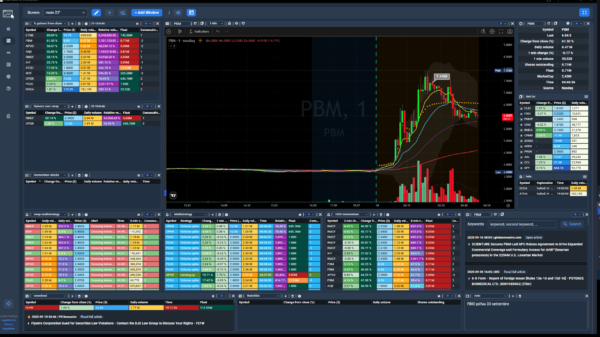
Scanner for active traders

Try ChartsWatcher free, then unlock 10% OFF with SAVE10
ChartsWatcher is a real-time scanner for momentum traders: fast movers, unusual volume and rotations — so you can focus on the few tickers that matter right now, instead of watching hundreds of charts.
Start with the free version. When you upgrade, use SAVE10 for 10% OFF your first paid period.
Start free – then use SAVE10
No credit card required to start. Apply SAVE10 when upgrading.
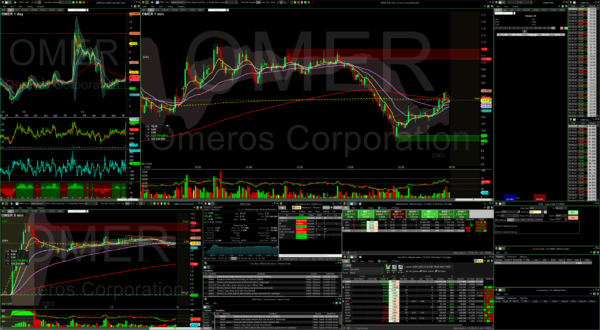
Recommended platform

One platform. All your brokers.
Medved Trader connects multiple brokers in one workspace, with pro charts, hotkeys and fast execution — without changing your broker accounts.
A single cockpit for positions, Level II and multi-broker order routing, built for active day & swing traders.
Get 1 Month Free ➔
Multi-broker workflow + customizable layouts in one platform.
 Monica.im – the AI assistant I use every day
If you find value in the work I publish on Merlintrader and want a practical AI assistant for research and writing, you can sign up using this referral link. Click here to try Monica.im and support the site
Find out how I use AI on Merlintrader: AI, retail and Merlintrader
Disclosure: some of the links in the promotional blocks above are affiliate or referral links. If you choose to subscribe or sign up through them, Merlintrader may receive a small commission or benefit at no extra cost to you.