DISCLAIMER — Not financial advice. Educational content only, not an offer or solicitation to buy or sell any security. Biotech and small/mid-cap stocks are highly speculative and volatile and can result in a partial or total loss of capital. Do your own research and consult a licensed advisor where appropriate. / Contenuti a solo scopo informativo e didattico, non costituiscono consulenza finanziaria né offerta o sollecitazione al pubblico risparmio ai sensi delle normative CONSOB e SEC. Le azioni biotech e le small/mid cap sono strumenti altamente speculativi e volatili e possono comportare la perdita parziale o totale del capitale investito. Si raccomanda di effettuare sempre le proprie ricerche e, se necessario, di rivolgersi a un consulente abilitato.
Merlintrader Trading Pub
Biotech catalyst news and analysis. FDA PDUFA tracker
Deep Dive · Advanced Nuclear / AI Infrastructure
Oklo Inc. (NYSE: $OKLO): Nvidia Partnership, AI Power Demand and Nuclear Deployment Outlook
Oklo is becoming one of the market’s most visible nuclear-for-AI infrastructure stories after the NVIDIA and Los Alamos collaboration, but the investment case still depends on licensing, fuel, customer conversion and first deployment.
Latest catalystNVIDIA + LANLAI-enabled nuclear fuel and infrastructure work at Los Alamos.
ThemeAI PowerAdvanced nuclear as potential firm clean power for compute growth.
Cash baseline~$1.4BCash and marketable securities at year-end 2025, before additional Jan. 2026 raise.
Main riskDeploymentNo operating commercial powerhouse yet; regulatory and fuel milestones matter.
Executive summary
Oklo has become one of the most visible public-market expressions of the nuclear-for-AI infrastructure theme. The story is powerful because it sits at the intersection of several market obsessions: advanced nuclear reactors, AI data-center power demand, U.S. energy security, fuel recycling, national laboratories, government-backed innovation, and the search for reliable clean baseload power. The latest catalyst is especially important: Oklo announced an agreement with NVIDIA and Los Alamos National Laboratory to advance critical nuclear infrastructure, AI-enabled research, and nuclear fuel R&D at Los Alamos. That places the company directly inside the narrative that nuclear energy may become a central enabling layer for AI factories and high-performance compute.
This is not a normal earnings-beat story. Oklo is still an early-stage advanced nuclear company without an operating commercial powerhouse and without a conventional revenue base. The stock is therefore not being valued on current earnings. It is being valued on future deployment probability, strategic partnerships, regulatory progress, fuel access, balance-sheet strength, AI power demand and the possibility that Oklo can become one of the first advanced fission companies to commercialize small modular power at scale.
The company’s core product vision is the Aurora powerhouse, a fast-fission power plant designed to deliver reliable clean power and heat through a model that can combine project development, power sales and fuel-cycle advantage. Oklo’s broader strategy includes powerhouses, fuel fabrication, fuel recycling and radioisotope production. That integrated strategy is part of the appeal, because it gives the company more than one theoretical route to value creation. It is also part of the risk, because each pillar carries technical, regulatory, capital and execution complexity.
The 2025 Form 10-K makes the risk profile very clear. Oklo states that it has not yet constructed any powerhouses or entered into any binding power purchase agreement to operate a plant or deliver electricity or heat. The filing also says Oklo is an early-stage company with a history of financial losses and expects to incur significant expenses and continuing losses at least until its powerhouses become commercially viable, which may never occur. That language must stay at the center of any responsible deep dive.
At the same time, Oklo is much better financed than many speculative energy-technology companies. Market summaries and company updates indicate that Oklo ended 2025 with roughly $1.4 billion in cash and marketable securities and completed an additional large capital raise in January 2026. This gives the company substantial runway to pursue development, licensing, fuel work and partnerships. The key question is not immediate survival; it is whether that capital can be converted into licensed, constructed and commercially operating assets before investor expectations run too far ahead of reality.
The recent NVIDIA and Los Alamos development adds credibility to the AI-nuclear angle, but it should not be treated as proof of near-term revenue. The agreement is strategically meaningful because NVIDIA is the central symbol of AI infrastructure and Los Alamos is one of the most important national laboratories in the U.S. nuclear ecosystem. Still, the commercial impact depends on whether AI-enabled fuel validation, nuclear modeling and infrastructure work accelerate real deployment timelines.
The investment case is therefore unusually binary in perception but not actually binary in fundamentals. Oklo does not need to become the only winner in advanced nuclear to justify attention. It needs to execute through a sequence: regulatory progress, site preparation, fuel pathway, first deployment, customer conversion, repeatable economics, and expansion into energy-hungry markets such as AI data centers, industrial power and government-linked infrastructure. Each step matters.
For traders, OKLO is a high-volatility strategic infrastructure story. It can move on partnership headlines, analyst coverage, nuclear policy, AI data-center power demand, fuel announcements, insider activity, government programs and broader risk appetite. But a trader also needs discipline: valuation can move far faster than deployment, and advanced nuclear timelines are long. The stock belongs in the Space / Defense / AI infrastructure universe, but it must be followed through filings and milestones, not only through thematic excitement.
General situation: why OKLO matters now
The general setup for Oklo is stronger than it was a few years ago because the market’s energy problem has changed. The AI buildout has made electricity availability a strategic constraint. Hyperscalers, data-center developers, semiconductor companies and governments increasingly understand that compute demand cannot scale indefinitely without reliable power. Wind, solar and storage can help, but the market is searching for firm clean generation that can support high-utilization facilities. That is why nuclear has returned to the center of the infrastructure conversation.
Oklo’s timing is therefore favorable. The company is not trying to sell advanced nuclear into a market that lacks energy demand. It is trying to commercialize advanced nuclear at a moment when the largest technology companies are openly searching for massive clean power sources. Recent reporting has linked Oklo to a large nuclear power campus concept for Meta’s AI data-center needs, and the newest NVIDIA-Los Alamos news reinforces the same theme: advanced nuclear is being discussed as part of the AI infrastructure stack.
This does not make the business easy. Nuclear is one of the hardest sectors in the world to commercialize. It requires licensing, safety review, fuel access, supply-chain development, site work, construction discipline, operational excellence, public trust, political support and long-term customer commitments. Oklo’s opportunity is large because the problem is large; the risk is large because the solution is hard.
Latest catalyst: NVIDIA and Los Alamos
The latest catalyst is the agreement among Oklo, NVIDIA and Los Alamos National Laboratory. According to the announcement, the work is intended to advance critical nuclear infrastructure, AI-enabled research and nuclear fuel research and development at Los Alamos. For market psychology, this is powerful. NVIDIA is the most important AI infrastructure name in the world, and Los Alamos carries deep nuclear credibility. Their presence gives the story more weight than a generic partnership headline.
The key read-through is not that NVIDIA will instantly become a customer for Oklo power. The more precise interpretation is that advanced AI tools may be used to accelerate nuclear fuel validation, modeling, simulation and infrastructure planning. If AI can shorten nuclear R&D cycles, improve fuel modeling or reduce uncertainty in development, that could indirectly improve Oklo’s deployment path. The impact is strategic before it is financial.
This is why the headline matters for OKLO traders. The market has already been rewarding companies connected to AI infrastructure. A nuclear company that can plausibly position itself as both a power supplier to AI and a user of AI in nuclear development gains two narrative channels. The danger is that the stock may price in too much too fast. The opportunity is that the partnership may help transform nuclear from a slow policy story into a faster-moving AI-infrastructure story.
Business model and technology overview
Oklo’s business model is built around advanced fission powerhouses rather than selling conventional reactor equipment. The Aurora powerhouse is designed as a compact fast-fission plant that can provide clean electricity and heat. The company’s public materials and filings describe a model that includes power generation, fuel fabrication and fuel recycling over time. This matters because Oklo is not only trying to build a reactor; it is trying to build an integrated nuclear platform.
The technology strategy is tied to fast-reactor concepts and advanced fuels. Oklo’s filing highlights reliance on HALEU, plutonium-based fuels and recycled fuels, at least in part or during transitional phases. That fuel strategy is both attractive and risky. It is attractive because fuel recycling and advanced fuels can create differentiation. It is risky because HALEU and plutonium-based fuels are not currently available at commercial scale under simple market conditions.
The company’s revenue model may ultimately depend on selling electricity and heat under long-term agreements, potentially to customers that need reliable clean energy. Data centers, industrial facilities, government-linked infrastructure and remote or high-reliability power users are all possible target markets. But the 10-K is clear that no binding power purchase agreement to operate a plant or deliver electricity or heat had been entered into as of the annual report. That makes the current stage developmental, not commercial.
Financial snapshot and runway
Oklo is not valued on current revenue, so the financial snapshot must focus on liquidity, cash use and operating losses. Market summaries of the 2025 update indicate that Oklo reported an operating loss around $139 million and cash used in operations around $82 million for 2025, with adjusted operating cash use around $69 million within prior guidance. The company also exited 2025 with roughly $1.4 billion in cash and marketable securities, before completing another large raise in January 2026.
That liquidity position is a major strength. Many advanced-energy companies fail because they reach capital markets repeatedly before technical progress is visible. Oklo has a large capital base that gives it time to hire, develop, license, build, work on fuel pathways and pursue commercial customers. The balance sheet is a key reason the market is willing to pay attention.
However, capital strength does not remove project risk. Advanced nuclear development can consume large amounts of cash before revenue arrives. Licensing, engineering, construction planning, fuel access and supply-chain work can all expand costs. Investors must watch whether operating cash use remains within management’s stated expectations and whether future capital needs remain manageable relative to the balance sheet.
The most important financial question is not whether Oklo has enough cash for the next quarter. It is whether the cash can bridge the company to tangible deployment milestones that increase the probability of future revenue. If the company can show regulatory progress, fuel progress, customer agreements and construction readiness while controlling spend, the balance sheet becomes a strategic advantage. If timelines slip and spending accelerates without deployment proof, the same cash balance can begin to look like a melting ice cube.
Financial table
| Metric | Latest baseline | Trader read-through |
|---|---|---|
| Commercial powerhouses | No operating commercial powerhouse disclosed in 2025 10-K | Core commercial proof still ahead. |
| Binding power delivery agreement | 10-K states no binding PPA to operate a plant or deliver electricity/heat as of filing baseline | Customer conversion remains a key catalyst. |
| 2025 operating loss | ~$139M according to market summaries of FY2025 update | Still a development-stage loss-making company. |
| 2025 cash used in operations | ~$82M; adjusted cash use around ~$69M per market summaries | Cash burn must be tracked against milestone progress. |
| Cash and marketable securities | ~$1.4B at year-end 2025, before additional January 2026 raise | Large strategic runway versus many speculative energy-tech peers. |
| Key latest catalyst | Oklo + NVIDIA + Los Alamos collaboration | Strengthens AI-nuclear infrastructure narrative, but not direct near-term revenue proof. |
| Primary risks | Licensing, fuel, construction, customer conversion, valuation, insider sentiment | Milestone discipline is essential. |
Insider ownership and insider activity
Oklo has an unusually important insider and founder ownership profile. Public ownership datasets indicate that co-founders Jacob DeWitte and Caroline Cochran remain major holders, each with large beneficial ownership positions. Some datasets also list Sam Altman as a meaningful holder, reflecting the company’s SPAC history and strategic backing. This founder and strategic-holder presence is part of the stock’s identity.
Insider activity has also become part of the trading discussion. Form 4 tracking sources show that Jacob DeWitte and Caroline Cochran executed large sales in January and February 2026, including transactions at high prices during a period when OKLO had strong momentum. The same tracking pages also show later non-sale or exercise-related activity. For a trader, the key is not to turn every insider transaction into a simplistic bearish signal. Founders can sell for liquidity, tax, diversification or planned reasons. But large sales are still relevant to sentiment and must be monitored.
The correct insider read-through is balanced. Founder ownership remains high, which supports alignment at a strategic level. But large insider sales after a major stock run can create an overhang, especially in a high-valuation, pre-commercial story. Traders should monitor future Form 4 filings, whether sales are planned, whether ownership remains substantial, and whether management communication stays credible.
Institutional ownership and professional-money angle
Institutional ownership in Oklo has expanded meaningfully. Fintel lists hundreds of institutional owners and reports large holdings by BlackRock, Vanguard, Mirae Asset Global ETFs Holdings, Jane Street, Susquehanna, Citadel, Van Eck and State Street. Simply Wall St ownership data also shows BlackRock, Vanguard, Mirae, Van Eck and others among important holders. The presence of large institutions does not remove risk, but it indicates that OKLO is no longer a purely retail-driven micro story.
This institutional base matters because it can support liquidity, index or ETF inclusion dynamics and broader coverage. At the same time, professional investors will be sensitive to valuation, milestone credibility and financing discipline. Institutions may own the stock through ETFs, passive exposure, trading books or thematic baskets rather than deep fundamental conviction. That means institutional ownership should not be overinterpreted as proof that the business is de-risked.
The more important institutional signal will be continued coverage, analyst engagement, strategic partnerships and the quality of future capital markets access. If Oklo continues to attract serious counterparties, national-lab relationships and long-term energy customers, professional sponsorship could deepen. If the story remains mostly narrative, institutional participation may remain more flow-driven than conviction-driven.
Retail sentiment and trading psychology
Retail sentiment around OKLO is very strong because the story is easy to understand emotionally: AI needs power, nuclear provides clean firm power, Oklo has advanced nuclear technology, NVIDIA is now in the headline, and Sam Altman has been associated with the company. That combination creates a powerful retail narrative. It is exactly the kind of setup that can attract momentum traders.
The danger is that retail can compress a long deployment timeline into a short trading thesis. A partnership does not equal revenue. A regulatory milestone does not equal an operating plant. A letter of intent or non-binding customer relationship does not equal a binding power purchase agreement. A cash-rich balance sheet does not equal profitability. These distinctions matter because advanced nuclear is a multi-year execution story.
The bullish retail path is clear: more AI data-center demand, more nuclear policy support, more Oklo partnerships, progress at Aurora, visible fuel solutions, customer agreements and construction milestones. The bearish path is also clear: delays, regulatory uncertainty, fuel bottlenecks, insider-sale concerns, valuation pressure and broader risk-off rotation away from speculative infrastructure names.
CEO background and leadership assessment
Jacob DeWitte is Oklo’s co-founder, chairman and chief executive officer. His background is central to the Oklo thesis because the company is founder-led and technology-driven. DeWitte has been associated with advanced nuclear development for years and is the public face of Oklo’s fast-fission and fuel-recycling vision. In a sector where technical credibility and regulatory persistence matter, founder continuity is meaningful.
Leadership assessment for Oklo should focus on three things. First, whether management can maintain regulatory and technical credibility. Second, whether management can convert attention into binding commercial arrangements. Third, whether the company can allocate its large cash base intelligently without losing discipline. The company has already attracted high-profile strategic attention; the next challenge is proving that the attention can become infrastructure.
The leadership risk is that founder-led stories can become highly narrative-driven. The market may put enormous faith in the founder vision before the business has proven deployment economics. DeWitte’s task is therefore not only to communicate ambition, but to deliver measurable milestones: licensing progress, site work, fuel progress, customer conversion and cost control. That is how founder credibility becomes public-company credibility.
Bull case
The bull case is that Oklo becomes one of the leading advanced nuclear infrastructure companies for the AI era. The company has a large balance sheet, a differentiated fast-fission strategy, national-lab relationships, strong public-market visibility, strategic backing and a theme that has become central to the market: reliable clean power for AI growth.
The strongest bull driver is AI electricity demand. Data centers need enormous amounts of reliable power, and nuclear is one of the few clean technologies capable of firm, high-capacity generation. If hyperscalers and data-center operators increasingly seek nuclear solutions, Oklo could benefit from a structural demand wave.
The second bull driver is deployment sequencing. If Oklo advances Aurora licensing, site preparation, fuel access and construction readiness, the market may begin to discount commercial reality rather than distant optionality. Each concrete milestone can reduce perceived risk.
The third bull driver is fuel-cycle differentiation. If Oklo can successfully use HALEU, recycled fuel or plutonium-bridge strategies in a way that solves supply constraints, the company could become strategically valuable beyond reactor design. Fuel is one of the hardest constraints in advanced nuclear, so progress there would matter deeply.
The fourth bull driver is institutional and political relevance. Advanced nuclear has bipartisan appeal in many contexts because it touches clean energy, energy independence, national security and industrial competitiveness. If the policy environment remains supportive, Oklo’s strategic importance may increase.
Bull read-through: OKLO improves if AI power demand, fuel clarity, Aurora milestones and binding customer agreements begin to line up together.
Bear case
The bear case begins with the company’s own 10-K. Oklo has not yet built an operating commercial powerhouse and has not yet entered into a binding power purchase agreement to deliver electricity or heat. That means the market is valuing a future that is not yet proven. If timelines slip, the valuation can compress sharply.
The second bear driver is regulatory and fuel risk. Advanced nuclear cannot move at software speed. Licensing, safety review and fuel availability can create long delays. HALEU and plutonium-based fuels are not available at scale under simple commercial conditions. If fuel access becomes harder or slower than expected, the deployment timeline may stretch.
The third bear driver is capital intensity. Even with a strong cash balance, nuclear construction and development can consume significant capital. If the company needs more capital before revenue is visible, dilution or financing risk could return.
The fourth bear driver is valuation. OKLO can trade like an AI-infrastructure proxy even though it remains pre-commercial. If the stock prices in too much success before deployment proof, even good news may not be enough to support the valuation.
The fifth bear driver is insider and sentiment risk. Large insider sales can pressure confidence, especially after a stock run. If future Form 4s show continued aggressive selling or if retail sentiment cools, the stock can become vulnerable.
Bear read-through: a strong narrative does not remove licensing, fuel, construction, cash-use and valuation risk.
Future scenarios and catalysts
In the bull scenario, Oklo converts its strategic position into a visible deployment path. The NVIDIA-Los Alamos collaboration accelerates nuclear modeling and fuel work. Aurora regulatory milestones progress. Fuel pathways become clearer. Customer agreements become more binding. AI data-center power demand continues to rise. In that case, the market may increasingly value OKLO as a strategic nuclear infrastructure platform.
In the base scenario, Oklo continues to make progress but remains pre-commercial for a long time. The company uses its balance sheet to fund development, partnerships remain positive, and the stock trades around milestones and sentiment. Valuation remains volatile because revenue is still future-oriented.
In the bear scenario, regulatory work takes longer, fuel remains a bottleneck, deployment timelines slip, insider-sale concerns persist, and valuation becomes difficult to support. The company may still have a long-term opportunity, but the stock could reprice if the market becomes less willing to pay for distant optionality.
Key catalysts include additional details on the NVIDIA-Los Alamos collaboration, Aurora licensing progress, NRC interactions, site preparation updates, fuel procurement or fuel-recycling milestones, binding power agreements, customer announcements tied to AI data centers, quarterly cash-use guidance, insider Form 4 activity, analyst coverage and updates around the company’s large cash position.
What would make the thesis stronger
The strongest upgrade would be a binding customer agreement with clear economics. Non-binding interest is useful, but binding power purchase or energy services contracts would make the commercial story more concrete. A second upgrade would be regulatory progress that materially reduces uncertainty around the first Aurora deployment.
A third upgrade would be fuel clarity. If Oklo can show a credible, scalable path to HALEU, plutonium-bridge fuel or recycled fuel, one of the biggest advanced nuclear bottlenecks becomes less frightening. A fourth upgrade would be disciplined cash use. Investors want to see the large balance sheet used to create milestones, not simply consumed by expanding expenses.
A fifth upgrade would be improved transparency around deployment economics. Investors need to understand expected unit economics, construction cost, revenue model, customer pricing, ownership structure and capital intensity. The more Oklo can explain the model, the more credible the long-term equity story becomes.
Related Merlintrader coverage
Because OKLO belongs in the Space / Defense / AI infrastructure universe rather than biotech, internal linking should point to the Merlintrader Blog and the broader Space / Defense / AI hub. If Merlintrader later creates a dedicated OKLO company page, this report should be updated with that specific internal link so readers can navigate from the deep dive to future OKLO coverage.
Final take
Oklo is one of the most important speculative infrastructure stories in the market because it connects advanced nuclear, AI power demand and national-security energy strategy. The NVIDIA and Los Alamos catalyst strengthens the narrative and gives the market a fresh reason to focus on the company. The balance sheet is strong, the strategic theme is powerful and the potential market is enormous.
But this is not a de-risked story. Oklo has no operating commercial powerhouse, no binding power delivery agreement disclosed in its 10-K, ongoing losses, fuel risk, regulatory risk, construction risk and valuation risk. The stock can work if the company turns partnerships and policy tailwinds into real deployment milestones. It can also disappoint sharply if expectations outrun execution.
The right way to follow OKLO is milestone by milestone: regulatory progress, fuel progress, binding commercial agreements, cash use, insider activity, site development and AI power customer conversion. If those pieces align, Oklo may become a defining nuclear infrastructure name for the AI era. If they do not, the stock may remain a powerful narrative attached to a very long and uncertain commercialization path.
Valuation framework and trading setup
OKLO cannot be valued like a normal utility, a mature independent power producer or a profitable defense contractor. The company does not yet have operating powerhouses producing contracted electricity revenue. That means a traditional earnings multiple is not useful. The market is instead assigning value to the probability that Oklo can become a strategic nuclear infrastructure platform during a period when AI, data centers and industrial electrification are forcing the market to rethink the value of reliable clean baseload power.
A practical valuation framework has to separate four layers. The first layer is balance-sheet value: the company’s large cash and marketable securities position gives it time and reduces near-term financing pressure. The second layer is technology option value: Aurora, fast-fission design, fuel recycling, HALEU and plutonium-bridge optionality may become valuable if they move from engineering concept to licensed deployment. The third layer is customer and contract value: binding agreements would matter much more than non-binding interest. The fourth layer is thematic value: nuclear plus AI plus national security is one of the strongest narratives in the market.
The danger is that thematic value can dominate everything else. When a stock becomes a proxy for AI power demand, traders may push valuation far ahead of deployment probability. That can work in momentum phases, but it can also reverse sharply if investors demand evidence. The most disciplined approach is therefore to grade every update by its effect on deployment probability. Does it reduce licensing risk? Does it reduce fuel risk? Does it create a binding customer commitment? Does it improve the probability of first power? Does it control cash use? If the answer is no, the headline may support sentiment but not materially change the business case.
The trading setup is also highly sensitive to broader nuclear sentiment. When uranium, SMR, AI infrastructure and data-center power narratives are strong, OKLO can trade with a high momentum premium. When growth stocks weaken or investors rotate away from long-duration stories, the absence of current revenue can become a liability. This makes OKLO a milestone and sentiment stock at the same time.
What could break the trade
The first risk that could break the trade is a delay in Aurora deployment. Advanced nuclear investors can tolerate long timelines if each milestone arrives on schedule. They become much less forgiving when targets slip without clear explanation. Because the stock already reflects high expectations, even a normal nuclear-development delay could be treated as a major negative if the market had priced a faster path.
The second risk is fuel uncertainty. The 10-K is clear that HALEU, plutonium-based fuels and recycled fuels are not available at simple commercial scale today. If fuel access becomes a bottleneck, the market may begin to discount the entire deployment schedule. Fuel is not a secondary issue for Oklo; it is one of the central variables of the story.
The third risk is customer conversion. The AI power narrative is extremely strong, but investors eventually need to see binding agreements. If Oklo remains surrounded by interest, partnerships and strategic conversations but does not convert those into enforceable commercial structures, the stock may struggle to justify a very high valuation.
The fourth risk is insider and valuation psychology. Founder ownership is positive, but large insider sales after a major rally can create a psychological ceiling if traders start to believe insiders are monetizing enthusiasm faster than the company is delivering deployment milestones. This is not a judgment on the motives of any individual transaction. It is simply how small and mid-cap momentum markets often behave.
The fifth risk is that AI power demand becomes more competitive. Oklo is not the only company trying to serve data centers. Utilities, existing nuclear operators, gas generators, renewables plus storage providers, grid developers, microgrid companies and other SMR developers all want a piece of the same opportunity. If customers choose faster, cheaper or lower-risk power sources, Oklo’s strategic narrative could remain exciting while commercial conversion takes longer than expected.
Sources
Informational and educational content only. This report is not financial advice or a recommendation to buy or sell any security. Advanced nuclear, AI infrastructure and early-stage energy-technology stocks can be highly volatile and may trade far ahead of commercial deployment. Always verify filings, company statements, catalysts, insider activity, cash position and market data with official sources before making any investment decision.
Deep Dive · Advanced Nuclear / AI Infrastructure
Oklo Inc. (NYSE: $OKLO): partnership Nvidia, domanda energetica AI e outlook sul deployment nucleare
Oklo è diventata una delle storie più visibili sul tema nuclear-for-AI infrastructure dopo la collaborazione con NVIDIA e Los Alamos, ma la tesi resta legata a licensing, fuel, conversione clienti e primo deployment.
Latest catalystNVIDIA + LANLAI-enabled nuclear fuel and infrastructure work at Los Alamos.
ThemeAI PowerAdvanced nuclear as potential firm clean power for compute growth.
Cash baseline~$1.4BCash and marketable securities at year-end 2025, before additional Jan. 2026 raise.
Main riskDeploymentNo operating commercial powerhouse yet; regulatory and fuel milestones matter.
Sintesi esecutiva
Oklo è diventata una delle espressioni più visibili del tema nuclear-for-AI infrastructure sui mercati pubblici. La storia è potente perché si trova all’incrocio di più ossessioni del mercato: reattori nucleari avanzati, domanda energetica dei data center AI, sicurezza energetica USA, fuel recycling, national laboratories, innovazione sostenuta dal governo e ricerca di clean baseload power affidabile. Il catalyst più recente è particolarmente importante: Oklo ha annunciato un accordo con NVIDIA e Los Alamos National Laboratory per avanzare infrastruttura nucleare critica, ricerca AI-enabled e nuclear fuel R&D a Los Alamos. Questo inserisce la società direttamente nella narrativa secondo cui il nucleare potrebbe diventare uno strato abilitante centrale per AI factories e high-performance compute.
Questa non è una classica storia di earnings beat. Oklo è ancora una società advanced nuclear early-stage senza una commercial powerhouse operativa e senza una base revenue convenzionale. Il titolo quindi non viene valutato sugli utili correnti. Viene valutato sulla probabilità di deployment futuro, sulle partnership strategiche, sul progresso regolatorio, sull’accesso al fuel, sulla forza del bilancio, sulla domanda energetica AI e sulla possibilità che Oklo diventi una delle prime società advanced fission a commercializzare small modular power su scala.
La visione core della società è la Aurora powerhouse, un impianto fast-fission progettato per fornire clean power e calore affidabili attraverso un modello che può combinare project development, vendita di energia e vantaggio nel fuel cycle. La strategia più ampia include powerhouses, fuel fabrication, fuel recycling e produzione di radioisotopi. Questa strategia integrata è parte dell’appeal, perché offre più di una route teorica alla creazione di valore. È anche parte del rischio, perché ogni pilastro comporta complessità tecnica, regolatoria, finanziaria ed execution.
Il Form 10-K 2025 rende il profilo di rischio molto chiaro. Oklo afferma di non aver ancora costruito alcuna powerhouse e di non aver stipulato alcun binding power purchase agreement con un cliente per operare un impianto o consegnare elettricità o calore. Il filing afferma anche che Oklo è una società early-stage con una storia di perdite finanziarie e che prevede spese significative e perdite continue almeno fino a quando le sue powerhouses diventeranno commercialmente valide, cosa che potrebbe non accadere mai. Questo linguaggio deve restare al centro di qualunque deep dive responsabile.
Allo stesso tempo, Oklo è molto meglio finanziata di molte società speculative energy-technology. Sintesi di mercato e aggiornamenti societari indicano che Oklo ha chiuso il 2025 con circa $1.4 miliardi in cash e marketable securities e ha completato un ulteriore grande aumento di capitale a gennaio 2026. Questo offre runway sostanziale per sviluppo, licensing, fuel work e partnership. La domanda chiave non è la sopravvivenza immediata; è se quel capitale possa essere convertito in asset autorizzati, costruiti e commercialmente operativi prima che le aspettative degli investitori corrano troppo avanti.
Il recente sviluppo con NVIDIA e Los Alamos aggiunge credibilità all’angolo AI-nuclear, ma non deve essere trattato come prova di revenue near-term. L’accordo è strategicamente significativo perché NVIDIA è il simbolo centrale dell’infrastruttura AI e Los Alamos è uno dei laboratori nazionali più importanti dell’ecosistema nucleare USA. Tuttavia, l’impatto commerciale dipende da quanto AI-enabled fuel validation, nuclear modeling e infrastructure work accelereranno davvero le timeline di deployment.
La tesi di investimento è quindi apparentemente binaria nella percezione ma non realmente binaria nei fondamentali. Oklo non deve diventare l’unico vincitore dell’advanced nuclear per meritare attenzione. Deve eseguire una sequenza: progresso regolatorio, site preparation, fuel pathway, primo deployment, conversione clienti, economics ripetibili ed espansione in mercati energivori come AI data centers, industrial power e infrastruttura government-linked. Ogni passaggio conta.
Per i trader, OKLO è una storia strategic infrastructure ad alta volatilità. Può muoversi su partnership headlines, analyst coverage, nuclear policy, domanda energetica dei data center AI, annunci fuel, insider activity, programmi governativi e risk appetite generale. Ma un trader ha bisogno di disciplina: la valuation può muoversi molto più velocemente del deployment, e le timeline advanced nuclear sono lunghe. Il titolo appartiene all’universo Space / Defense / AI infrastructure, ma va seguito tramite filing e milestone, non solo tramite entusiasmo tematico.
Situazione generale: perché OKLO conta adesso
Il setup generale per Oklo è più forte di qualche anno fa perché il problema energetico del mercato è cambiato. Il buildout AI ha reso la disponibilità di elettricità un vincolo strategico. Hyperscaler, data-center developer, società semiconduttori e governi capiscono sempre di più che la domanda compute non può scalare indefinitamente senza potenza affidabile. Wind, solar e storage possono aiutare, ma il mercato cerca generazione clean firm capace di supportare facility ad alta utilizzazione. Per questo il nucleare è tornato al centro della conversazione infrastrutturale.
Il timing di Oklo è quindi favorevole. La società non sta cercando di vendere advanced nuclear in un mercato senza domanda energetica. Sta provando a commercializzare advanced nuclear in un momento in cui le più grandi società tecnologiche cercano apertamente enormi fonti di clean power. Report recenti hanno collegato Oklo a un grande concetto di nuclear power campus per i bisogni dei data center AI di Meta, e la nuova notizia NVIDIA-Los Alamos rafforza lo stesso tema: advanced nuclear come parte dello stack AI infrastructure.
Questo non rende il business facile. Il nucleare è uno dei settori più difficili al mondo da commercializzare. Richiede licensing, safety review, accesso al fuel, supply-chain development, site work, disciplina construction, operational excellence, fiducia pubblica, supporto politico e impegni clienti di lungo periodo. L’opportunità Oklo è grande perché il problema è grande; il rischio è grande perché la soluzione è difficile.
Ultimo catalyst: NVIDIA e Los Alamos
L’ultimo catalyst è l’accordo tra Oklo, NVIDIA e Los Alamos National Laboratory. Secondo l’annuncio, il lavoro mira ad avanzare critical nuclear infrastructure, ricerca AI-enabled e nuclear fuel research and development a Los Alamos. Per la psicologia di mercato è potente. NVIDIA è il nome più importante dell’infrastruttura AI globale, e Los Alamos porta enorme credibilità nucleare. La loro presenza dà alla storia un peso maggiore rispetto a una partnership generica.
Il read-through chiave non è che NVIDIA diventi immediatamente cliente per la power di Oklo. L’interpretazione più precisa è che strumenti AI avanzati possano essere usati per accelerare nuclear fuel validation, modeling, simulation e infrastructure planning. Se l’AI può accorciare i cicli R&D nucleari, migliorare il fuel modeling o ridurre incertezza nello sviluppo, questo potrebbe migliorare indirettamente il percorso di deployment di Oklo. L’impatto è strategico prima che finanziario.
Per questo la headline conta per i trader OKLO. Il mercato ha già premiato le società collegate all’AI infrastructure. Una società nucleare che può posizionarsi sia come possibile fornitore di energia all’AI sia come utilizzatore di AI nello sviluppo nucleare ottiene due canali narrativi. Il pericolo è che il titolo possa prezzare troppo troppo rapidamente. L’opportunità è che la partnership aiuti a trasformare il nucleare da storia politica lenta a storia AI-infrastructure più dinamica.
Business model e tecnologia
Il business model di Oklo è costruito attorno ad advanced fission powerhouses più che alla vendita di equipment nucleare convenzionale. La Aurora powerhouse è progettata come impianto fast-fission compatto capace di fornire elettricità pulita e calore. I materiali pubblici e i filing della società descrivono un modello che include power generation, fuel fabrication e fuel recycling nel tempo. Questo conta perché Oklo non sta solo provando a costruire un reattore; sta provando a costruire una piattaforma nucleare integrata.
La strategia tecnologica è legata a concetti fast-reactor e fuels avanzati. Il filing evidenzia dipendenza da HALEU, plutonium-based fuels e recycled fuels, almeno in parte o in fasi transitorie. Questa strategia fuel è sia attraente sia rischiosa. È attraente perché fuel recycling e advanced fuels possono creare differenziazione. È rischiosa perché HALEU e plutonium-based fuels non sono attualmente disponibili su scala commerciale in condizioni di mercato semplici.
Il revenue model potrebbe alla fine dipendere dalla vendita di elettricità e calore tramite accordi di lungo periodo, potenzialmente verso clienti che hanno bisogno di energia pulita affidabile. Data center, facility industriali, infrastrutture government-linked e utilizzatori power remote o high-reliability sono possibili target market. Ma il 10-K è chiaro: al momento dell’annual report non era stato stipulato alcun binding power purchase agreement per operare un impianto o consegnare elettricità o calore. La fase attuale resta quindi developmental, non commerciale.
Financial snapshot e runway
Oklo non viene valutata sulla revenue corrente, quindi il financial snapshot deve concentrarsi su liquidità, cash use e operating losses. Sintesi di mercato dell’aggiornamento 2025 indicano che Oklo ha riportato un operating loss di circa $139 milioni e cash used in operations di circa $82 milioni per il 2025, con adjusted operating cash use intorno a $69 milioni, all’interno della guidance precedente. La società ha anche chiuso il 2025 con circa $1.4 miliardi in cash e marketable securities, prima di completare un altro grande raise a gennaio 2026.
Questa posizione di liquidità è un grande punto di forza. Molte società advanced-energy falliscono perché tornano ripetutamente sui capital markets prima che il progresso tecnico sia visibile. Oklo ha una grande base di capitale che le dà tempo per assumere, sviluppare, ottenere licenze, costruire, lavorare sui fuel pathways e cercare clienti commerciali. Il bilancio è un motivo chiave per cui il mercato le presta attenzione.
Tuttavia, la forza del capitale non elimina il project risk. Lo sviluppo advanced nuclear può consumare molta cassa prima dell’arrivo della revenue. Licensing, engineering, construction planning, fuel access e supply-chain work possono tutti espandere i costi. Gli investitori devono osservare se l’operating cash use resta dentro le aspettative del management e se i futuri capital needs rimangono gestibili rispetto al bilancio.
La domanda finanziaria più importante non è se Oklo abbia abbastanza cassa per il prossimo trimestre. È se la cassa possa traghettare la società verso milestone tangibili di deployment che aumentino la probabilità di revenue futura. Se la società mostra progresso regolatorio, progresso fuel, customer agreements e construction readiness mentre controlla la spesa, il bilancio diventa un vantaggio strategico. Se le timeline slittano e la spesa accelera senza proof di deployment, la stessa liquidità può iniziare a sembrare ghiaccio che si scioglie.
Tabella finanziaria
| Metric | Latest baseline | Trader read-through |
|---|---|---|
| Commercial powerhouses | No operating commercial powerhouse disclosed in 2025 10-K | Core commercial proof still ahead. |
| Binding power delivery agreement | 10-K states no binding PPA to operate a plant or deliver electricity/heat as of filing baseline | Customer conversion remains a key catalyst. |
| 2025 operating loss | ~$139M according to market summaries of FY2025 update | Still a development-stage loss-making company. |
| 2025 cash used in operations | ~$82M; adjusted cash use around ~$69M per market summaries | Cash burn must be tracked against milestone progress. |
| Cash and marketable securities | ~$1.4B at year-end 2025, before additional January 2026 raise | Large strategic runway versus many speculative energy-tech peers. |
| Key latest catalyst | Oklo + NVIDIA + Los Alamos collaboration | Strengthens AI-nuclear infrastructure narrative, but not direct near-term revenue proof. |
| Primary risks | Licensing, fuel, construction, customer conversion, valuation, insider sentiment | Milestone discipline is essential. |
Insider ownership e insider activity
Oklo ha un profilo insider e founder ownership particolarmente importante. Dataset pubblici di ownership indicano che i co-founder Jacob DeWitte e Caroline Cochran restano grandi holder, ciascuno con posizioni beneficial ownership elevate. Alcuni dataset indicano anche Sam Altman come holder significativo, riflettendo la storia SPAC e il backing strategico della società. Questa presenza founder e strategic-holder è parte dell’identità del titolo.
Anche l’attività insider è diventata parte della discussione di trading. Fonti di tracking Form 4 mostrano che Jacob DeWitte e Caroline Cochran hanno eseguito vendite rilevanti a gennaio e febbraio 2026, incluse transazioni a prezzi elevati durante un periodo di forte momentum di OKLO. Le stesse pagine mostrano anche attività successive non-sale o exercise-related. Per un trader, la chiave è non trasformare ogni transazione insider in un segnale bearish semplicistico. I founder possono vendere per liquidità, tasse, diversificazione o piani prestabiliti. Ma vendite grandi restano rilevanti per il sentiment e vanno monitorate.
Il read-through insider corretto è bilanciato. La founder ownership resta alta, e questo supporta l’allineamento a livello strategico. Ma grandi insider sales dopo un forte rialzo del titolo possono creare overhang, soprattutto in una storia pre-commerciale ad alta valutazione. I trader devono monitorare futuri Form 4, se le vendite sono pianificate, se l’ownership resta sostanziale e se la comunicazione del management resta credibile.
Istituzionali e professional money
L’ownership istituzionale in Oklo è cresciuta in modo significativo. Fintel elenca centinaia di institutional owners e riporta grandi posizioni di BlackRock, Vanguard, Mirae Asset Global ETFs Holdings, Jane Street, Susquehanna, Citadel, Van Eck e State Street. Anche i dati Simply Wall St mostrano BlackRock, Vanguard, Mirae, Van Eck e altri tra gli holder importanti. La presenza di grandi istituzioni non elimina il rischio, ma indica che OKLO non è più una storia micro guidata solo dal retail.
Questa base istituzionale conta perché può supportare liquidità, dinamiche di ETF/index inclusion e copertura più ampia. Allo stesso tempo, gli investitori professionali saranno sensibili a valuation, credibilità delle milestone e disciplina del financing. Le istituzioni possono detenere il titolo tramite ETF, esposizione passiva, trading books o panieri tematici, non necessariamente per forte convinzione fondamentale. Quindi l’ownership istituzionale non va sovrainterpretata come prova che il business sia de-risked.
Il segnale istituzionale più importante sarà la continuità della copertura, l’engagement degli analisti, le partnership strategiche e la qualità del futuro accesso ai capital markets. Se Oklo continua ad attrarre controparti serie, relazioni con national labs e clienti energy di lungo periodo, la sponsorship professionale potrebbe approfondirsi. Se la storia resta soprattutto narrativa, la partecipazione istituzionale potrebbe rimanere più flow-driven che conviction-driven.
Sentiment retail e psicologia del trade
Il sentiment retail su OKLO è molto forte perché la storia è facile da capire emotivamente: l’AI ha bisogno di energia, il nucleare fornisce clean firm power, Oklo ha tecnologia advanced nuclear, NVIDIA è ora nella headline e Sam Altman è stato associato alla società. Questa combinazione crea una narrativa retail potente. È esattamente il tipo di setup che può attirare momentum traders.
Il pericolo è che il retail comprima una timeline di deployment lunga in una tesi di trading breve. Una partnership non equivale a revenue. Una milestone regolatoria non equivale a un impianto operativo. Una letter of intent o relazione cliente non-binding non equivale a un binding power purchase agreement. Un bilancio ricco di cassa non equivale a profittabilità. Queste distinzioni contano perché l’advanced nuclear è una storia execution multi-year.
Il percorso retail bullish è chiaro: più domanda power dai data center AI, più supporto nuclear policy, più partnership Oklo, progresso su Aurora, soluzioni fuel visibili, customer agreements e milestone construction. Il percorso bearish è altrettanto chiaro: ritardi, incertezza regolatoria, fuel bottlenecks, preoccupazioni insider-sale, pressione valutativa e rotazione risk-off lontano dai nomi speculative infrastructure.
Curriculum CEO e valutazione leadership
Jacob DeWitte è co-founder, chairman e chief executive officer di Oklo. Il suo background è centrale nella tesi Oklo perché la società è founder-led e technology-driven. DeWitte è associato allo sviluppo advanced nuclear da anni ed è il volto pubblico della visione fast-fission e fuel-recycling di Oklo. In un settore dove credibilità tecnica e persistenza regolatoria contano, la continuità founder è significativa.
La valutazione della leadership Oklo dovrebbe concentrarsi su tre cose. Primo, se il management riesce a mantenere credibilità regolatoria e tecnica. Secondo, se riesce a convertire attenzione in accordi commerciali vincolanti. Terzo, se la società riesce ad allocare la grande cassa in modo intelligente senza perdere disciplina. La società ha già attirato attenzione strategica di alto profilo; la prossima sfida è dimostrare che l’attenzione può diventare infrastruttura.
Il rischio leadership è che le storie founder-led possano diventare fortemente narrative-driven. Il mercato può mettere enorme fiducia nella visione del founder prima che il business abbia dimostrato economics di deployment. Il compito di DeWitte quindi non è solo comunicare ambizione, ma consegnare milestone misurabili: progresso licensing, site work, progresso fuel, conversione clienti e controllo costi. È così che la credibilità founder diventa credibilità da public company.
Bull case
Il bull case è che Oklo diventi una delle principali società advanced nuclear infrastructure dell’era AI. La società ha un grande bilancio, una strategia fast-fission differenziata, relazioni con national labs, forte visibilità public-market, backing strategico e un tema diventato centrale per il mercato: reliable clean power per la crescita AI.
Il driver bull più forte è la domanda elettrica dell’AI. I data center hanno bisogno di enormi quantità di energia affidabile, e il nucleare è una delle poche tecnologie pulite capaci di generazione firm e high-capacity. Se hyperscaler e operatori data center cercano sempre più soluzioni nuclear, Oklo potrebbe beneficiare di una domanda strutturale.
Il secondo driver bull è la sequenza di deployment. Se Oklo avanza licensing Aurora, site preparation, fuel access e construction readiness, il mercato potrebbe iniziare a scontare realtà commerciale invece di opzionalità distante. Ogni milestone concreta può ridurre il rischio percepito.
Il terzo driver bull è la differenziazione fuel-cycle. Se Oklo riuscirà a usare HALEU, recycled fuel o plutonium-bridge strategies in modo da risolvere vincoli di supply, la società potrebbe diventare strategicamente preziosa oltre il design reattore. Il fuel è uno dei vincoli più difficili nell’advanced nuclear, quindi progressi qui conterebbero molto.
Il quarto driver bull è la rilevanza istituzionale e politica. L’advanced nuclear ha appeal bipartisan in molti contesti perché tocca clean energy, energy independence, national security e industrial competitiveness. Se l’ambiente politico resta favorevole, l’importanza strategica di Oklo può aumentare.
Bull read-through: OKLO improves if AI power demand, fuel clarity, Aurora milestones and binding customer agreements begin to line up together.
Bear case
Il bear case parte dallo stesso 10-K della società. Oklo non ha ancora costruito una commercial powerhouse operativa e non ha ancora stipulato un binding power purchase agreement per consegnare elettricità o calore. Questo significa che il mercato sta valutando un futuro non ancora dimostrato. Se le timeline slittano, la valuation può comprimersi rapidamente.
Il secondo driver bear è rischio regolatorio e fuel. L’advanced nuclear non può muoversi alla velocità del software. Licensing, safety review e disponibilità fuel possono creare ritardi lunghi. HALEU e plutonium-based fuels non sono disponibili su scala in condizioni commerciali semplici. Se l’accesso al fuel diventa più difficile o più lento del previsto, la timeline di deployment può allungarsi.
Il terzo driver bear è la capital intensity. Anche con una forte posizione cash, costruzione e sviluppo nucleare possono consumare capitale significativo. Se la società avrà bisogno di nuovo capitale prima che la revenue sia visibile, dilution o financing risk potrebbero tornare.
Il quarto driver bear è la valuation. OKLO può trattare come proxy AI-infrastructure anche se resta pre-commerciale. Se il titolo prezza troppo successo prima della proof di deployment, anche buone notizie potrebbero non bastare a sostenere la valutazione.
Il quinto driver bear è insider e sentiment risk. Grandi insider sales possono pesare sulla fiducia, soprattutto dopo un forte rialzo del titolo. Se futuri Form 4 mostrassero vendite aggressive continue o se il retail sentiment si raffreddasse, il titolo potrebbe diventare vulnerabile.
Bear read-through: a strong narrative does not remove licensing, fuel, construction, cash-use and valuation risk.
Scenari futuri e catalyst
Nello scenario bull, Oklo trasforma la propria posizione strategica in un percorso di deployment visibile. La collaborazione NVIDIA-Los Alamos accelera modeling nucleare e fuel work. Le milestone regolatorie Aurora avanzano. I fuel pathways diventano più chiari. Gli accordi cliente diventano più vincolanti. La domanda power dei data center AI continua a crescere. In quel caso il mercato potrebbe valutare sempre di più OKLO come piattaforma strategic nuclear infrastructure.
Nello scenario base, Oklo continua a fare progressi ma resta pre-commerciale a lungo. La società usa il bilancio per finanziare sviluppo, le partnership restano positive e il titolo tratta intorno a milestone e sentiment. La valuation resta volatile perché la revenue è ancora futura.
Nello scenario bear, il lavoro regolatorio richiede più tempo, il fuel resta un collo di bottiglia, le timeline deployment slittano, le preoccupazioni insider-sale persistono e la valuation diventa difficile da sostenere. La società può comunque avere un’opportunità di lungo periodo, ma il titolo potrebbe repricing se il mercato diventa meno disposto a pagare opzionalità distante.
I catalyst chiave includono ulteriori dettagli sulla collaborazione NVIDIA-Los Alamos, progresso licensing Aurora, interazioni NRC, aggiornamenti site preparation, milestone fuel procurement o fuel-recycling, binding power agreements, annunci cliente collegati a AI data centers, quarterly cash-use guidance, attività insider Form 4, analyst coverage e aggiornamenti sulla grande posizione cash.
Cosa renderebbe la tesi più forte
Il miglior upgrade sarebbe un binding customer agreement con economics chiari. L’interesse non-binding è utile, ma contratti power purchase o energy services vincolanti renderebbero la storia commerciale più concreta. Un secondo upgrade sarebbe progresso regolatorio che riduca materialmente l’incertezza sul primo deployment Aurora.
Un terzo upgrade sarebbe chiarezza fuel. Se Oklo può mostrare un percorso credibile e scalabile verso HALEU, plutonium-bridge fuel o recycled fuel, uno dei più grandi bottleneck advanced nuclear diventa meno spaventoso. Un quarto upgrade sarebbe cash use disciplinato. Gli investitori vogliono vedere la grande cassa usata per creare milestone, non semplicemente consumata da spese crescenti.
Un quinto upgrade sarebbe maggiore trasparenza sugli economics di deployment. Gli investitori devono capire expected unit economics, construction cost, revenue model, customer pricing, ownership structure e capital intensity. Più Oklo riuscirà a spiegare il modello, più credibile diventerà la storia equity di lungo periodo.
Articoli Merlintrader collegati
Poiché OKLO appartiene all’universo Space / Defense / AI infrastructure e non biotech, il linking interno deve puntare al Merlintrader Blog e al più ampio hub Space / Defense / AI. Se Merlintrader creerà in seguito una pagina società dedicata a OKLO, questo report andrà aggiornato con quel link interno specifico per consentire ai lettori di navigare dal deep dive alla futura copertura OKLO.
Final take
Oklo è una delle storie speculative infrastructure più importanti del mercato perché collega advanced nuclear, AI power demand e strategia energetica di sicurezza nazionale. Il catalyst NVIDIA e Los Alamos rafforza la narrativa e offre al mercato una nuova ragione per concentrarsi sulla società. Il bilancio è forte, il tema strategico è potente e il mercato potenziale è enorme.
Ma questa non è una storia de-risked. Oklo non ha una commercial powerhouse operativa, non ha un binding power delivery agreement disclosed nel 10-K, ha perdite in corso, fuel risk, regulatory risk, construction risk e valuation risk. Il titolo può funzionare se la società trasforma partnership e tailwind policy in milestone reali di deployment. Può anche deludere in modo marcato se le aspettative superano l’execution.
Il modo corretto di seguire OKLO è milestone per milestone: progresso regolatorio, progresso fuel, accordi commerciali vincolanti, cash use, insider activity, site development e conversione clienti AI power. Se questi pezzi si allineano, Oklo può diventare un nome nuclear infrastructure definente dell’era AI. Se non si allineano, il titolo può restare una narrativa potente collegata a una commercializzazione molto lunga e incerta.
Framework di valutazione e setup trading
OKLO non può essere valutata come una utility normale, un independent power producer maturo o un defense contractor profittevole. La società non ha ancora powerhouses operative che producano revenue contrattualizzata dalla vendita di elettricità. Questo significa che un multiplo tradizionale sugli utili non è utile. Il mercato sta invece assegnando valore alla probabilità che Oklo possa diventare una piattaforma strategic nuclear infrastructure in una fase in cui AI, data center ed elettrificazione industriale stanno costringendo il mercato a rivalutare il valore del clean baseload power affidabile.
Un framework pratico deve separare quattro strati. Il primo è balance-sheet value: la grande posizione in cash e marketable securities dà tempo e riduce la pressione financing near-term. Il secondo è technology option value: Aurora, fast-fission design, fuel recycling, HALEU e plutonium-bridge optionality possono diventare preziosi se passano da concetto ingegneristico a deployment autorizzato. Il terzo è customer and contract value: accordi vincolanti conterebbero molto più dell’interesse non-binding. Il quarto è thematic value: nucleare più AI più national security è una delle narrative più forti del mercato.
Il pericolo è che il thematic value domini tutto il resto. Quando un titolo diventa proxy della domanda energetica AI, i trader possono spingere la valuation molto oltre la probabilità reale di deployment. Questo può funzionare nelle fasi momentum, ma può anche invertirsi rapidamente se gli investitori iniziano a chiedere evidenza. L’approccio più disciplinato è quindi valutare ogni update per il suo effetto sulla probabilità di deployment. Riduce il licensing risk? Riduce il fuel risk? Crea un impegno cliente vincolante? Migliora la probabilità di first power? Controlla il cash use? Se la risposta è no, la headline può sostenere il sentiment ma non cambiare materialmente il business case.
Il setup trading è anche molto sensibile al sentiment nucleare generale. Quando uranium, SMR, AI infrastructure e data-center power narratives sono forti, OKLO può trattare con un premio momentum elevato. Quando growth stocks si indeboliscono o gli investitori ruotano lontano dalle long-duration stories, l’assenza di revenue corrente può diventare un problema. Questo rende OKLO contemporaneamente un titolo milestone e un titolo sentiment.
Cosa potrebbe rompere il trade
Il primo rischio che potrebbe rompere il trade è un ritardo nel deployment Aurora. Gli investitori advanced nuclear possono tollerare timeline lunghe se ogni milestone arriva secondo programma. Diventano molto meno permissivi quando i target slittano senza spiegazioni chiare. Poiché il titolo riflette già aspettative alte, anche un ritardo normale nello sviluppo nucleare potrebbe essere trattato come negativo rilevante se il mercato aveva prezzato un percorso più veloce.
Il secondo rischio è l’incertezza fuel. Il 10-K è chiaro: HALEU, plutonium-based fuels e recycled fuels non sono oggi disponibili su scala commerciale semplice. Se l’accesso al fuel diventa un collo di bottiglia, il mercato potrebbe iniziare a scontare l’intera schedule di deployment. Il fuel non è un tema secondario per Oklo; è una delle variabili centrali della storia.
Il terzo rischio è la conversione clienti. La narrativa AI power è molto forte, ma gli investitori prima o poi devono vedere accordi vincolanti. Se Oklo resta circondata da interesse, partnership e conversazioni strategiche ma non le converte in strutture commerciali enforceable, il titolo potrebbe faticare a giustificare una valuation molto alta.
Il quarto rischio è la psicologia insider e valuation. La founder ownership è positiva, ma grandi insider sales dopo un forte rally possono creare un tetto psicologico se i trader iniziano a credere che gli insider stiano monetizzando l’entusiasmo più rapidamente di quanto la società stia consegnando milestone di deployment. Non è un giudizio sulle motivazioni di una singola transazione. È semplicemente il modo in cui spesso si comportano i mercati momentum small e mid-cap.
Il quinto rischio è che la domanda power AI diventi più competitiva. Oklo non è l’unica società che vuole servire i data center. Utilities, operatori nucleari esistenti, gas generators, renewables plus storage, grid developers, microgrid companies e altri sviluppatori SMR vogliono tutti una parte della stessa opportunità. Se i clienti scelgono fonti di energia più rapide, economiche o meno rischiose, la narrativa strategica di Oklo potrebbe restare interessante mentre la conversione commerciale richiede più tempo del previsto.
Fonti
Contenuto esclusivamente informativo ed educativo. Questo report non è consulenza finanziaria né raccomandazione di acquisto o vendita di titoli. Le società advanced nuclear, AI infrastructure ed energy-technology early-stage possono essere altamente volatili e trattare molto prima del deployment commerciale. Verificare sempre filing, comunicati societari, catalyst, insider activity, posizione di cassa e market data tramite fonti ufficiali prima di prendere qualunque decisione di investimento.
Scanner for active traders

Try ChartsWatcher free, then unlock 10% OFF with SAVE10
ChartsWatcher is a real-time scanner for momentum traders: fast movers, unusual volume and rotations — so you can focus on the few tickers that matter right now, instead of watching hundreds of charts.
Start with the free version. When you upgrade, use SAVE10 for 10% OFF your first paid period.
Start free – then use SAVE10
No credit card required to start. Apply SAVE10 when upgrading.
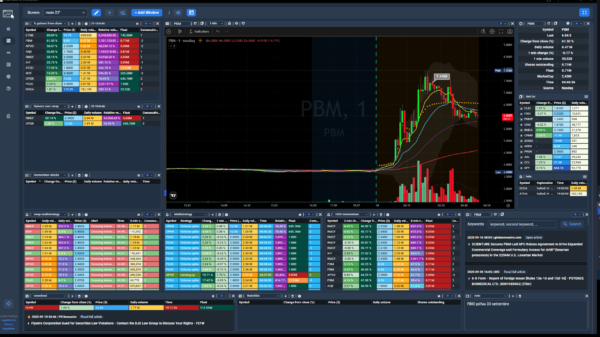
Recommended platform

One platform. All your brokers.
Medved Trader connects multiple brokers in one workspace, with pro charts, hotkeys and fast execution — without changing your broker accounts.
A single cockpit for positions, Level II and multi-broker order routing, built for active day & swing traders.
Get 1 Month Free ➔
Multi-broker workflow + customizable layouts in one platform.
 Monica.im – the AI assistant I use every day
If you find value in the work I publish on Merlintrader and want a practical AI assistant for research and writing, you can sign up using this referral link. Click here to try Monica.im and support the site
Find out how I use AI on Merlintrader: AI, retail and Merlintrader
Disclosure: some of the links in the promotional blocks above are affiliate or referral links. If you choose to subscribe or sign up through them, Merlintrader may receive a small commission or benefit at no extra cost to you.