DISCLAIMER — Not financial advice. Educational content only, not an offer or solicitation to buy or sell any security. Biotech and small/mid-cap stocks are highly speculative and volatile and can result in a partial or total loss of capital. Do your own research and consult a licensed advisor where appropriate. / Contenuti a solo scopo informativo e didattico, non costituiscono consulenza finanziaria né offerta o sollecitazione al pubblico risparmio ai sensi delle normative CONSOB e SEC. Le azioni biotech e le small/mid cap sono strumenti altamente speculativi e volatili e possono comportare la perdita parziale o totale del capitale investito. Si raccomanda di effettuare sempre le proprie ricerche e, se necessario, di rivolgersi a un consulente abilitato.
Merlintrader Trading Pub
Biotech catalyst news and analysis. FDA PDUFA tracker
Merlintrader Trading Pub
Biotech catalyst news and analysis. FDA PDUFA tracker
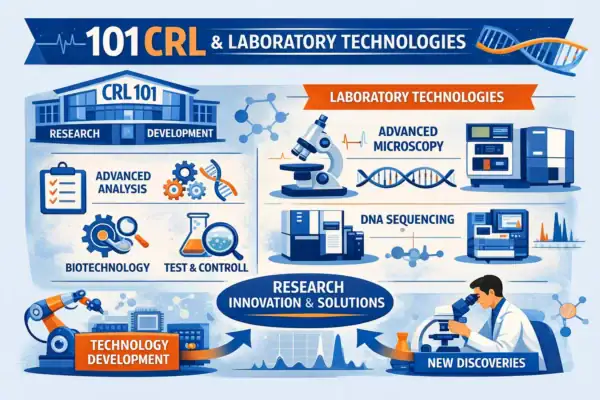
CRL 101 – Understanding FDA Complete Response Letters in Biotech
Not every FDA “no” is the same. Some Complete Response Letters mean the story is over for years; others are mainly about manufacturing or paperwork. For investors and traders, understanding the difference is critical.
What this page is (and is not)
CRL 101This is an educational overview of how FDA Complete Response Letters (CRL) work in the context of biotech stocks. The goal is not to predict the outcome of any specific case, but to give you a framework for reading company press releases and filings with a colder head.
We will look at:
- what a CRL actually is and why the FDA issues it;
- the main “families” of CRL (data, safety, CMC/labeling);
- how timelines change after a CRL (Class 1 vs Class 2 resubmission);
- how companies tend to communicate CRLs in their press releases;
- a simple checklist to avoid confusing a “technical” issue with a broken program.
This text is not investment advice and does not concern any specific ticker. It is purely
educational content based on public FDA guidance and typical patterns seen in biotech disclosures.
1. What is an FDA Complete Response Letter?
BasicsA Complete Response Letter is the way the FDA tells a company that it will not approve a New Drug Application (NDA) or Biologics License Application (BLA) in its current form. It is not an approval with conditions. It is a formal “no” that comes with a list of issues that must be addressed before the agency can reconsider approval.
Not approved (yet)
Issues must be fixed
New review cycle needed
Important points:
- the CRL closes the current review cycle; there is no drug approval on that PDUFA date;
- the letter can cover one or more areas: clinical data, safety, manufacturing, labeling, inspections;
- the company decides if and when to resubmit an updated application.
A CRL is not automatically the end of a program, but it always means delay and uncertainty. The true impact
depends on which problems the FDA has identified and how hard they are to fix.
2. Why the FDA issues a CRL
DriversIn simplified terms, the FDA sends a CRL when, after reviewing the file, it believes that something important is missing or not convincing enough to grant approval. This “something” can be very different from one case to another:
- Insufficient efficacy evidence (primary endpoint not met, inconsistent results, subgroup-only effects).
- Safety concerns (adverse events, long-term risk, unclear benefit-risk balance).
- CMC/manufacturing issues (process not fully validated, facility inspection problems, stability data gaps).
- Labeling and risk management (insufficient information to define label, REMS, monitoring).
In market language, people often talk about:
“Data CRL”
“Safety CRL”
“CMC / manufacturing CRL”
“Labeling CRL”
This slang can be useful, but it is always a simplification. The real situation is described only in the FDA
letter and in detailed company communications, not in a single word on social media.
3. Three big CRL “families” investors should recognise
Impact3.1 Data / efficacy-driven CRL
Highest risk
Usually needs new trial
This is the most serious type. The FDA is basically saying: “with the data you have, we cannot conclude the drug works as claimed”.
- primary endpoints missed or achieved only in post-hoc or exploratory analyses;
- key secondary endpoints negative or inconsistent;
- high variability, small sample size, unclear robustness of results.
In many cases, a data-driven CRL implies new, large clinical trials. Timelines extend
by years and the company needs substantial new capital. The original investment thesis may no longer hold.
3.2 Safety-driven CRL
High risk
Benefit-risk questioned
Here the FDA is worried that the risk of the drug may not be justified by the observed benefit, or that there is not enough information to be sure the risk can be managed.
- serious adverse events, organ toxicity, mortality imbalance;
- signals that need more long-term follow-up;
- concerns on specific subgroups (eg, elderly, comorbidities).
A safety CRL can sometimes be addressed with additional analyses, risk management measures or targeted
studies, but in other cases it is a structural red flag that is hard to erase.
3.3 CMC / manufacturing / labeling-driven CRL
Medium risk
Sometimes “fixable”
These CRLs focus on how the product is made, controlled and presented, not on whether it works. Examples include:
- validation of the manufacturing process or analytical methods not completed;
- inspection findings at the production facility;
- questions on stability data or comparability between batches;
- incomplete labeling or risk management proposals.
Market narratives often call these “technical CRL” and assume they will be solved quickly. In reality,
timing and cost still matter: even a “technical” issue can take many months and significant
capital to fix, especially if new inspections or changes to the manufacturing network are needed.
4. What happens after a CRL: resubmission and new PDUFA
TimelineOnce a company has received a CRL, the ball is back in its court. The typical steps are:
- Type A meeting with the FDA to clarify the issues and discuss what would be needed.
- Internal assessment of time, cost and feasibility of addressing the requests.
- Decision whether to resubmit the application or to halt/redirect the program.
When the company resubmits, the FDA classifies the response:
Class 1 resubmission
Used when the changes are relatively limited (eg, some CMC or labeling fixes). The FDA review goal is typically around two months. Market often treats this as a “short clock” second chance.
Class 2 resubmission
Used when the company submits substantial new information (eg, new study, major analyses). The FDA review goal is usually around six months. This is closer to a mini new cycle.
For investors and traders, the key question is not only “what is the new PDUFA date?”, but also:
“what did it cost to get there, and how much dilution was needed?”.
5. How CRLs are usually described in press releases
DisclosurePress releases are written by companies, not by the FDA. They tend to use language that is technically correct but as optimistic as possible. Typical patterns include:
- emphasising that the CRL is “not related to safety” even when efficacy is the real issue;
- using expressions like “additional analyses” or “further evaluation” instead of “new trial needed”;
- calling manufacturing issues “technical” without detailing the depth of the problem;
- stating that the company is “committed to working with the FDA” without specifying a concrete plan.
When reading a CRL press release, useful questions are:
- Does the company explicitly say the FDA is asking for a new, adequately powered study?
- Is the main focus on data, on safety, or mostly on CMC/labeling?
- Is there a realistic timeline or just generic “as soon as possible” language?
- Is there any mention of cash runway or funding needs to execute the plan?
Social media often turns a nuanced CRL into a binary label: “just technical” or “dead”.
The reality is usually somewhere in between and depends on both regulatory and
financial capacity of the company.
6. CRL checklist for readers and traders
PracticalBefore treating a CRL as either “fatal” or “easy technical fix”, it can help to run through a simple checklist:
1. Type of concern
Is the FDA fundamentally questioning efficacy or safety, or is the letter mostly about CMC/labeling? Data and safety issues are usually much harder to solve.
2. Explicit requests
Does the company say that the FDA is asking for a new trial? If so, how big and how long could it be? Or is the focus on inspections, documentation, or updated analyses?
3. Class 1 vs Class 2
When resubmission is discussed, is the company expecting a Class 1 (short clock) or Class 2 (longer) review? This gives a rough sense of how heavy the fix is.
4. Cash and dilution
How much cash does the company have, and what is the burn rate? Can it realistically finance what the FDA is asking without major dilution or new debt?
5. Pipeline context
Is this drug the only meaningful asset, or one of several pillars? A CRL on a single-asset microcap is very different from a label tweak on a diversified company.
6. Narrative vs documents
Are you relying only on social media threads and YouTube, or are you also reading SEC filings and official company documents? Sentiment can drive volatility, but documents drive reality.
No checklist will remove risk from biotech. What it can do is help you recognise when a CRL is being
oversimplified into a slogan, instead of being analysed for what it really is: a detailed regulatory letter
with concrete implications for time, cost and probability of success.
This page is an educational resource on regulatory concepts such as FDA Complete Response Letters.
It does not analyse, recommend or comment on any specific security, and it is not a solicitation to
buy or sell financial instruments. For investing decisions, always refer to official documents
(FDA communications, SEC filings, audited financials) and, where appropriate, professional advice.
CRL 101 – Come leggere le Complete Response Letter della FDA
Non tutti i “no” della FDA sono uguali. Alcune Complete Response Letter chiudono una storia per anni; altre sono soprattutto questioni di produzione o documentazione. Capire la differenza è fondamentale per chi segue il biotech.
Cosa vuole essere questa pagina
CRL 101Questa è una panoramica didattica su come funzionano le Complete Response Letter (CRL) della FDA nel contesto delle azioni biotech. L’obiettivo non è prevedere l’esito di singoli casi, ma fornire uno schema mentale per leggere i comunicati delle aziende con maggiore lucidità.
Vedremo:
- che cosa è davvero una CRL e perché la FDA la emette;
- le principali “famiglie” di CRL (dati, safety, CMC/labeling);
- come cambiano le tempistiche dopo una CRL (resubmission Class 1 vs Class 2);
- come le aziende descrivono di solito una CRL nei comunicati;
- una semplice checklist per non confondere un problema “tecnico” con una storia compromessa.
Questo testo non è consulenza finanziaria né contiene indicazioni su specifici titoli.
È contenuto puramente informativo basato su linee guida FDA e sui pattern tipici
delle comunicazioni nel settore biotech.
1. Che cos’è una Complete Response Letter
BasiUna Complete Response Letter è il modo in cui la FDA comunica a un’azienda che non approverà una NDA o BLA nella forma attuale. Non è un’approvazione condizionata: è un “no” formale che arriva con un elenco di punti da risolvere prima che l’agenzia possa prendere in considerazione un eventuale via libera.
Non approvato (per ora)
Problemi da risolvere
Nuovo ciclo di review
Alcuni punti chiave:
- la CRL chiude il ciclo di revisione in corso; in quella data non arriva l’approvazione;
- la lettera può riguardare uno o più ambiti: dati clinici, safety, manufacturing, labeling, ispezioni;
- spetta all’azienda decidere se e quando ripresentare una domanda aggiornata.
Una CRL non significa automaticamente che il programma sia morto, ma implica sempre
ritardo e incertezza. L’impatto reale dipende dai problemi individuati e dalla difficoltà
nel risolverli.
2. Perché la FDA emette una CRL
MotiviIn termini semplici, la FDA manda una CRL quando, al termine della review, ritiene che manca qualcosa di importante o che la base dati non sia abbastanza solida per concedere l’approvazione.
Questo “qualcosa” può essere molto diverso da caso a caso:
- evidenza di efficacia insufficiente (endpoint primari non centrati, risultati incoerenti, effetto presente solo in analisi post-hoc);
- preoccupazioni di safety (eventi avversi seri, rischi a lungo termine, beneficio/rischio dubbio);
- problemi CMC/manufacturing (processo non completamente validato, ispezioni negative, dati di stabilità incompleti);
- questioni di labeling e gestione del rischio (mancano elementi per definire etichetta, REMS, monitoraggio).
Nel linguaggio di mercato si parla spesso di:
“CRL sui dati”
“CRL di safety”
“CRL tecnica CMC”
“CRL di labeling”
Questa semplificazione può aiutare, ma resta una scorciatoia. La realtà è descritta
nel dettaglio solo nella lettera FDA e nei documenti ufficiali dell’azienda, non in una
parola su un social.
3. Tre grandi “famiglie” di CRL da riconoscere
Impatto3.1 CRL guidata da dati/efficacia
Rischio massimo
Spesso richiede nuovo trial
È il caso più pesante. In pratica la FDA sta dicendo: “con i dati attuali non possiamo concludere che il farmaco funzioni come dichiarato”.
- endpoint primari mancati o centrati solo in analisi esplorative;
- endpoint secondari negativi o incoerenti;
- alta variabilità, campione piccolo, robustezza discutibile.
In molti casi una CRL di questo tipo implica nuovi studi clinici di dimensione importante.
Le tempistiche si allungano di anni e l’azienda ha bisogno di molto nuovo capitale. La tesi originaria
può non reggere più.
3.2 CRL guidata da safety
Rischio elevato
Benefit-rischio in discussione
Qui la FDA teme che il rischio del farmaco non sia giustificato dal beneficio osservato, o che non ci siano abbastanza informazioni per gestirlo.
- eventi avversi seri, tossicità d’organo, sbilanci di mortalità;
- segnali che richiedono follow-up a lungo termine;
- preoccupazioni su specifici sottogruppi (anziani, comorbidità ecc.).
Una CRL di safety a volte può essere gestita con analisi aggiuntive, misure di gestione del rischio
o studi mirati; in altri casi rappresenta un campanello d’allarme strutturale difficile da rimuovere.
3.3 CRL CMC / manufacturing / labeling
Rischio medio
Spesso “risolvibile”
In queste CRL il focus è su come il prodotto viene fabbricato, controllato e presentato, non sul fatto che funzioni o meno. Esempi:
- validazione incompleta del processo produttivo o dei metodi analitici;
- rilievi in ispezione sugli impianti;
- dati di stabilità/comparabilità non sufficienti;
- etichetta o piani di gestione del rischio considerati incompleti.
Nel racconto di mercato queste vengono spesso etichettate come “CRL tecniche” e date per scontato
come problemi rapidi da risolvere. In pratica contano comunque tempo e costo:
anche un tema tecnico può richiedere mesi e capitali rilevanti, soprattutto se servono nuove ispezioni
o modifiche alla rete produttiva.
4. Cosa succede dopo una CRL: resubmission e nuova PDUFA
TempisticheDopo aver ricevuto una CRL, la palla torna all’azienda. I passi tipici sono:
- Type A meeting con la FDA per chiarire le criticità e discutere cosa servirebbe;
- valutazione interna di tempi, costi e fattibilità nel soddisfare le richieste;
- decisione se ripresentare o meno l’application e con quale strategia.
Una volta ripresentata la domanda, la FDA classifica la risposta:
Resubmission Class 1
Usata quando i cambiamenti sono relativamente limitati (es. alcune correzioni CMC o di etichetta). Il tempo obiettivo di review è di solito intorno a due mesi. Il mercato la legge spesso come “short clock” di seconda chance.
Resubmission Class 2
Usata quando l’azienda presenta informazioni nuove e sostanziali (es. nuovo studio, analisi importanti). Il tempo obiettivo di review è in genere intorno a sei mesi.
Per chi investe o fa trading, la domanda chiave non è solo “qual è la nuova PDUFA?”, ma anche:
“quanto è costato arrivarci e quanta diluizione è stata necessaria?”.
5. Come le aziende raccontano una CRL nei comunicati
DisclosureI comunicati stampa sono scritti dalle aziende, non dalla FDA. Il linguaggio tende a essere tecnicamente corretto ma il più positivo possibile. Schemi ricorrenti:
- insistere sul fatto che la CRL “non riguarda la safety” anche quando il problema principale è l’efficacia;
- usare espressioni come “analisi aggiuntive” o “ulteriori valutazioni” invece di dire chiaramente “serve un nuovo studio”;
- definire “tecnici” i problemi di manufacturing senza dettagliare la profondità reale;
- dichiarare di essere “impegnati a collaborare con la FDA” senza un piano concreto né tempistiche.
Quando si legge un comunicato su una CRL, è utile chiedersi:
- l’azienda dice in modo esplicito che la FDA chiede un nuovo trial adeguatamente potenziato?
- il focus principale è su dati, su safety o su CMC/labeling?
- esiste una tempistica concreta o solo un generico “il prima possibile”?
- c’è un accenno alla cassa e alla capacità di finanziare ciò che viene richiesto?
I social tendono a trasformare una CRL sfumata in un’etichetta binaria: “solo tecnica” oppure “fine”.
La realtà sta quasi sempre nel mezzo e dipende sia dal quadro regolatorio sia
dalle risorse finanziarie dell’azienda.
6. Checklist CRL per chi legge e per chi fa trading
PraticoPrima di considerare una CRL come “fatale” o come “banale intoppo tecnico”, può aiutare passare da una piccola checklist:
1. Tipo di problema
La FDA sta mettendo in discussione in modo sostanziale efficacia o safety, oppure la lettera si concentra soprattutto su CMC/labeling? Dati e safety sono in genere molto più difficili da sistemare.
2. Richieste esplicite
L’azienda scrive chiaramente che la FDA chiede un nuovo studio? Se sì, di che ordine di grandezza (tempo, pazienti, costi)? Oppure il focus è su ispezioni, documentazione o analisi aggiuntive?
3. Class 1 o Class 2
Quando si parla di ripresentazione, si fa riferimento a una review di Classe 1 (ciclo breve) o di Classe 2 (più lunga)? È un indizio di quanto sia pesante la correzione.
4. Cassa e diluizione
Quanta cassa ha l’azienda e qual è il burn rate? Può realisticamente finanziare ciò che la FDA chiede senza ricorrere a diluizione massiccia o debito caro?
5. Contesto di pipeline
Questo farmaco è l’unico asset significativo o uno dei vari pilastri? Una CRL su una single-asset microcap è molto diversa da un’aggiunta di indicazione su un gruppo diversificato.
6. Narrativa vs documenti
Ti stai basando solo su thread e video, oppure stai leggendo anche filings SEC e documenti ufficiali? Il sentiment muove la volatilità, ma i documenti determinano la realtà nel medio periodo.
Nessuna checklist elimina il rischio dal biotech. Può però aiutare a riconoscere quando una CRL viene
compressa in uno slogan, invece di essere letta per ciò che è: una lettera regolatoria dettagliata con
conseguenze concrete su tempi, costi e probabilità di successo.
Questa pagina ha finalità esclusivamente informative e didattiche sui concetti regolatori,
come le Complete Response Letter della FDA. Non analizza né raccomanda singole azioni
e non costituisce sollecitazione all’investimento. Per qualsiasi decisione operativa è
necessario fare riferimento ai documenti ufficiali (comunicazioni FDA, filings SEC,
bilanci certificati) ed eventualmente a consulenti qualificati.
Biotech Catalyst Calendar
If you want to see all upcoming PDUFA dates, clinical readouts and trial milestones in a single, curated view, you can check the Merlintrader Biotech Catalyst Calendar. It is updated regularly and designed to work together with the type of framework described in this CRL 101 page.
Se vuoi avere in un’unica pagina tutte le prossime PDUFA, letture cliniche e principali catalyst biotech, puoi consultare il Biotech Catalyst Calendar di Merlintrader, aggiornato su base regolare e pensato per integrarsi con lo schema “CRL 101” descritto sopra.
Open Biotech Catalyst CalendarScanner for active traders

Try ChartsWatcher free, then unlock 10% OFF with SAVE10
ChartsWatcher is a real-time scanner for momentum traders: fast movers, unusual volume and rotations — so you can focus on the few tickers that matter right now, instead of watching hundreds of charts.
Start with the free version. When you upgrade, use SAVE10 for 10% OFF your first paid period.
Start free – then use SAVE10
No credit card required to start. Apply SAVE10 when upgrading.
Recommended platform

One platform. All your brokers.
Medved Trader connects multiple brokers in one workspace, with pro charts, hotkeys and fast execution — without changing your broker accounts.
A single cockpit for positions, Level II and multi-broker order routing, built for active day & swing traders.
Get 1 Month Free ➔
Multi-broker workflow + customizable layouts in one platform.
 Monica.im – the AI assistant I use every day
If you find value in the work I publish on Merlintrader and want a practical AI assistant for research and writing, you can sign up using this referral link. Click here to try Monica.im and support the site
Find out how I use AI on Merlintrader: AI, retail and Merlintrader
Disclosure: some of the links in the promotional blocks above are affiliate or referral links. If you choose to subscribe or sign up through them, Merlintrader may receive a small commission or benefit at no extra cost to you.